Being a Reserve wine means being a wine subjected to an additional ageing period beyond that stipulated in the wine’s production regulations. Specifically, the ageing period necessary for a wine to be classified as Reserve is at least two years for reds and at least one year for whites.
The “Reserve” mention can only be applied to wines that have DOC and DOCG recognition, and which therefore have regulations that define every aspect of their production. Reading “Reserve Wine” on the label therefore means finding yourself in front of a particularly prized wine, usually with more body and a higher alcohol content, which often comes from vineyards that were previously selected for their unique characteristics.
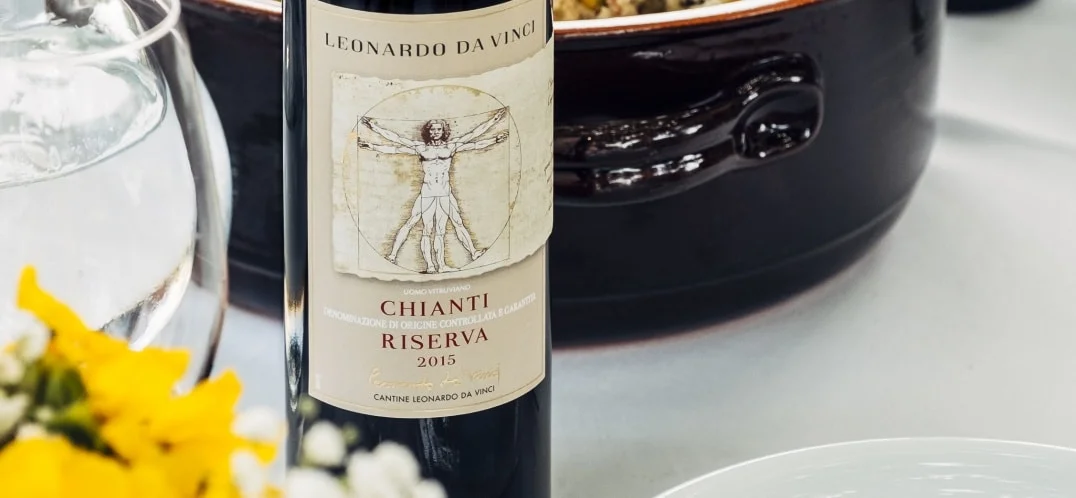
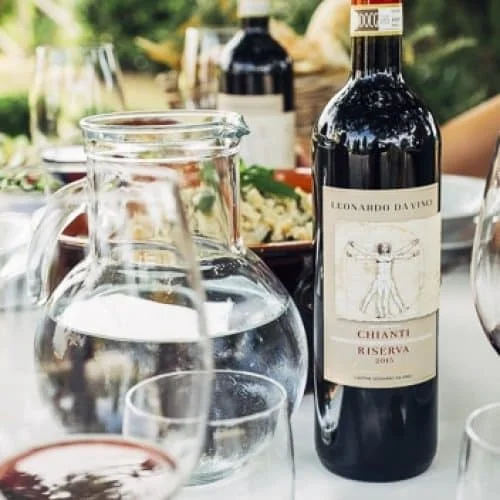
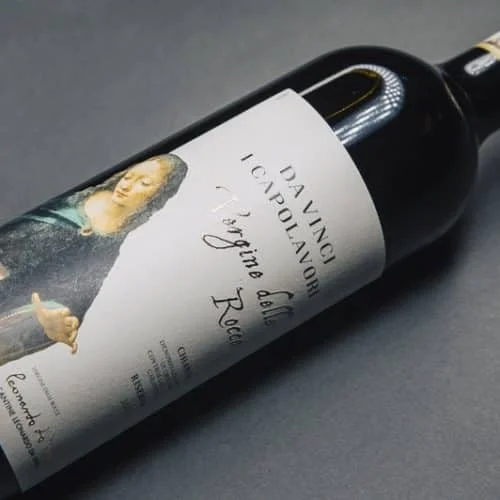
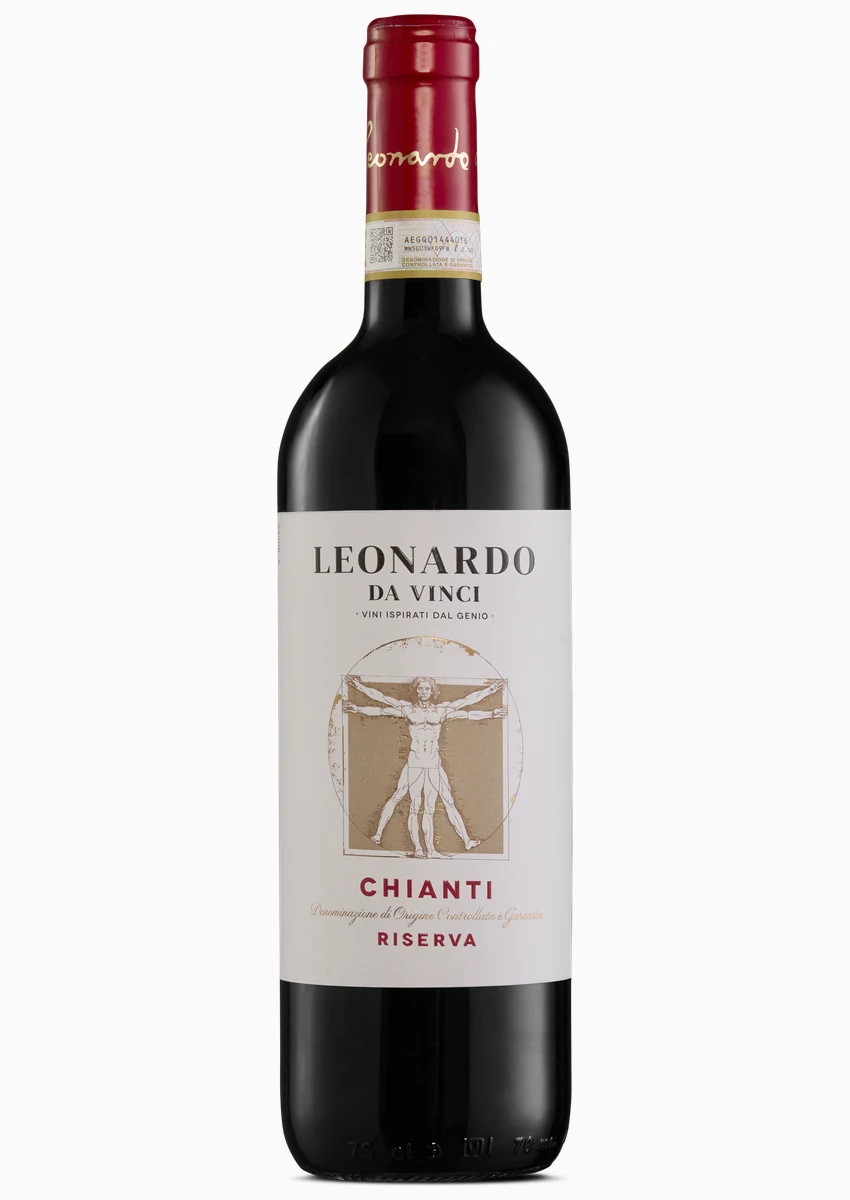
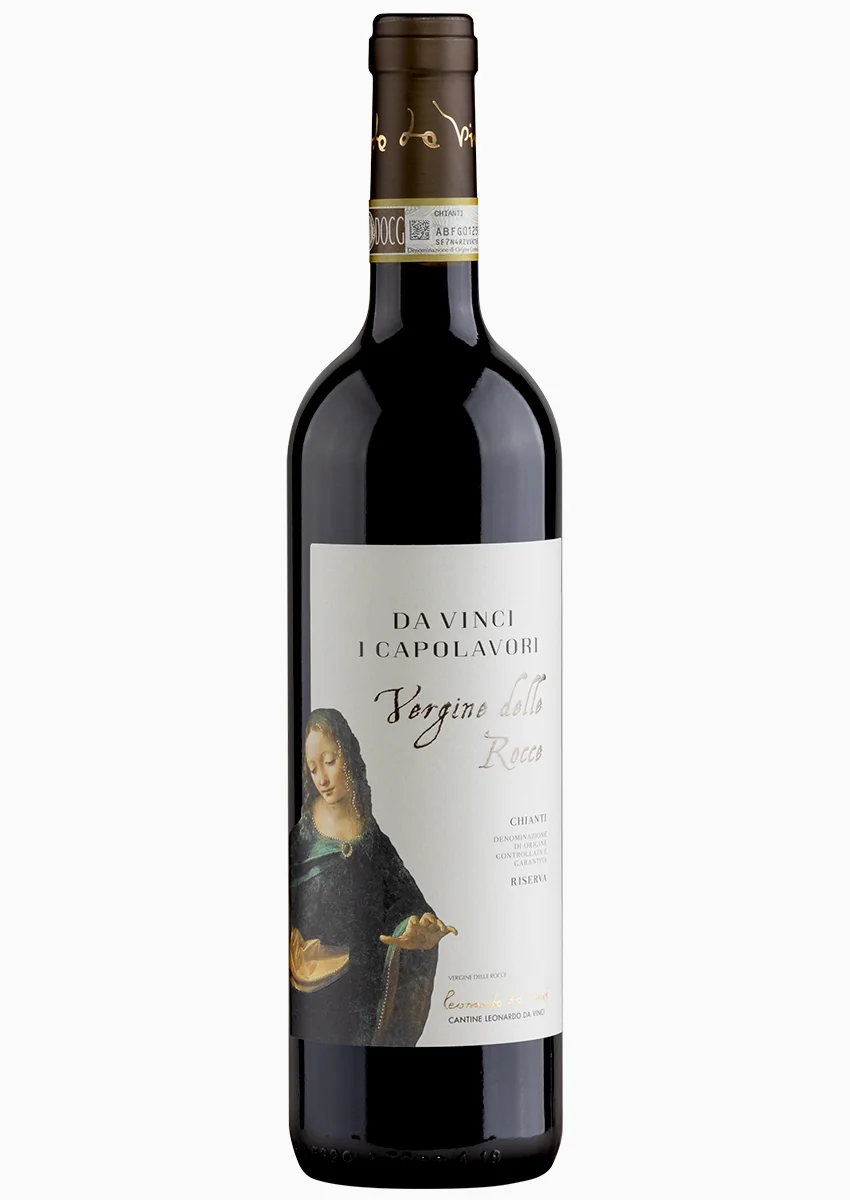
The Reserve mention can sometimes be found on the label combined with other mentions, such as Classico or Superiore. In the first case, you read Classico Reserve, which means the wine comes from original and traditional wine production territories (hence the Classico mention) in addition to the longer ageing period; in the second case, reading Superiore Reserve on the label means the wine has a higher alcohol content than that stipulated in the production regulations (Superiore means the wine has a higher alcohol content) in addition to the longer ageing period. For example, Chianti DOCG wine can have the “Chianti Reserve” mention, if it has aged for at least 2 years calculated from 1 January of the year following the one in which the grapes were harvested.