What are tannins?

Che cosa sono i tannini?

Everyone has heard of 'tannins' at least once, but perhaps not everyone knows what they really are.
Wine is a rich mix of various chemical substances (e.g. sugars, acids and alcohol) and natural organic substances, called 'polyphenols' or 'phenolic compounds'. These are macromolecules composed of 'phenols'

(that is to say, complex bonds of oxygen and hydrogen molecules) that play an important role in wine, determining, for example, the colour of a given wine. Among the polyphenols present in wine, we find tannin itself, alongside phenolic acids, flavonols and anthocyanins (of the flavonoid family) and resveratrol.

How are tannins recognised in wine? What does tannin taste like?

Tannin adds to wine a bitter sensation of astringency, as well as structure and complexity. It is commonly said that “it dries the mouth“; to put it another way, it is the same sensation of “dryness” you experience when you bite into a quince. It is found most commonly in red wine, although some white wines also have tannin (from ageing in wooden barrels or from fermentation on the skins). In general, we can say that the higher the amount of tannin in a wine, the more acute the sensation of astringency on the palate.

Where are tannins found in wine?

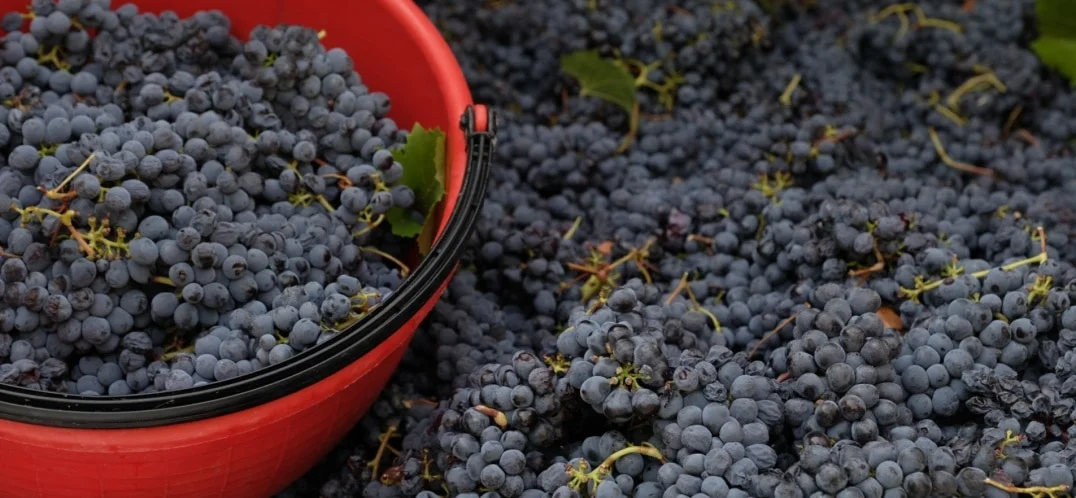
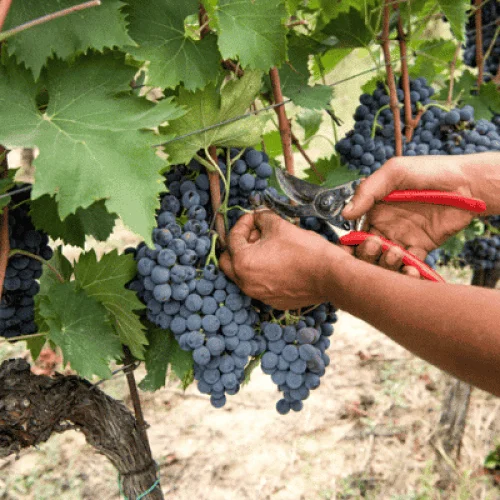
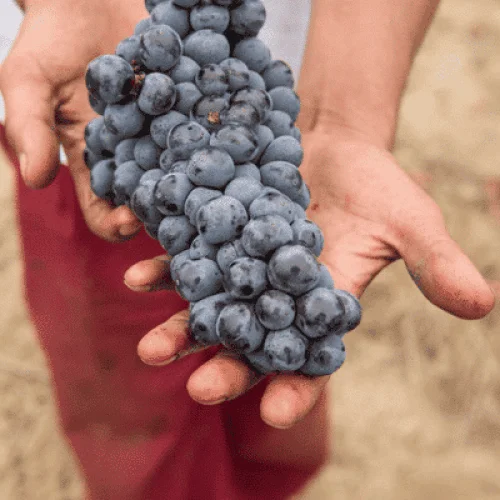
As mentioned previously, tannin is an organic and natural substance present throughout the plant world: in plants, in leaves, in seeds, in wood and in the skin of fruit. In a grape bunch, tannin is found in the stem, in the pedicel, in the pips and in the skins. It is extracted during the maceration phase, varying according to the acidity of the wine. In young wines, tannins are present in simple molecules, rather aggressive and astringent, whilst with ageing, such compounds become more complex, rendering wines more evolved, that is less astringent and softer.
Let us remember that, in addition to the tannins naturally contained in the grape, these compounds are also found in wood, so during the maturation phase the wine acquires others during its time in barrel or barrique. Wood releases, in fact, additional tannins that contribute to adding astringency and aroma to the wine. The smaller the barrel, the better the exchange of aromatic substances: this is where the saying “in the small barrel lies good wine” comes from.

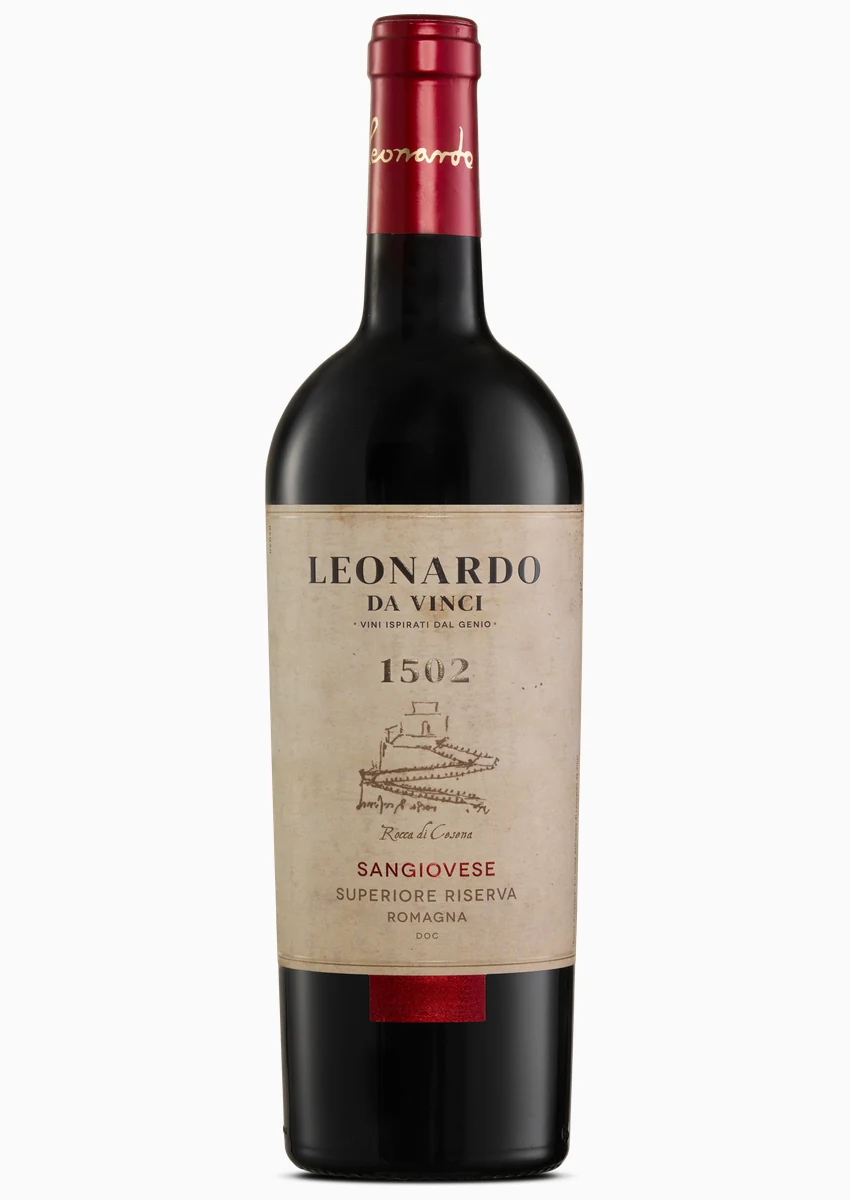
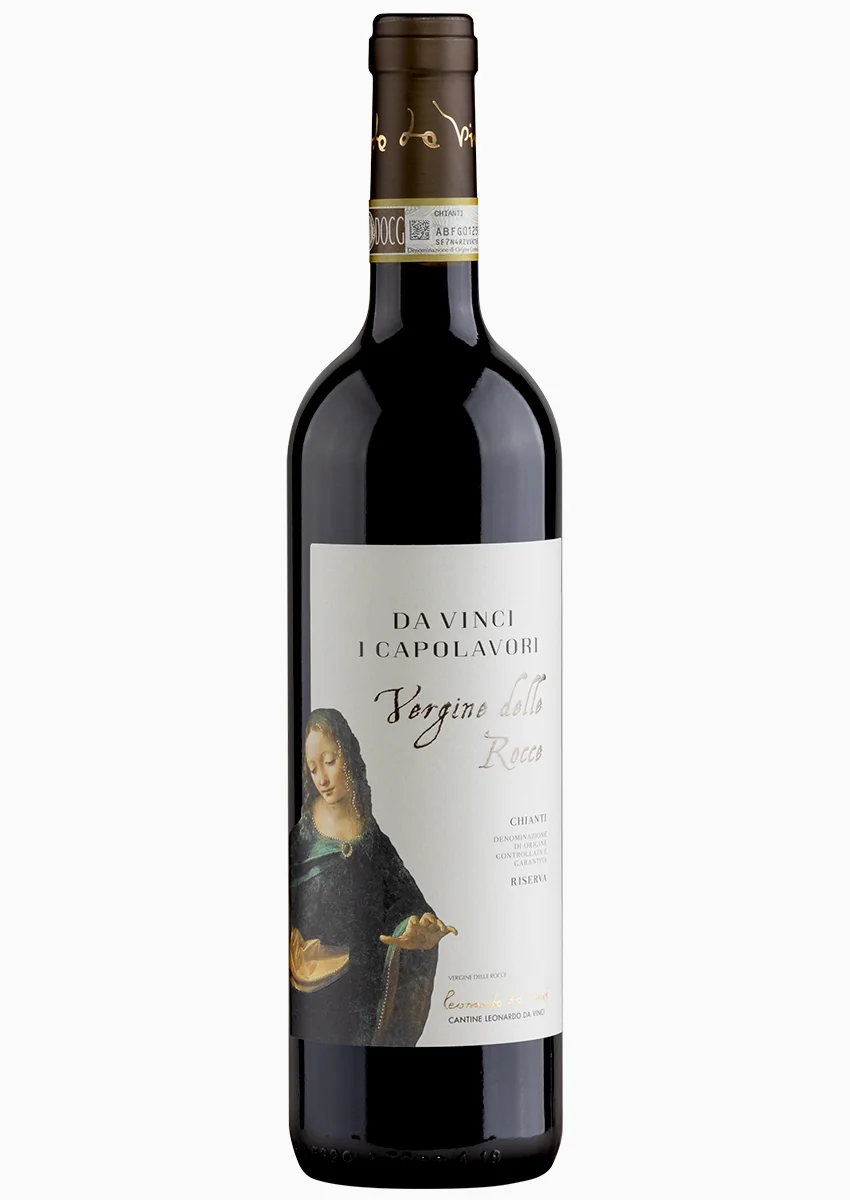
Among the best examples of tannic red wines from Cantine Leonardo da Vinci, we find many labels. To name a few, we suggest tasting Rocca di Cesena Sangiovese Superiore Riserva Romagna DOC from the 1502 Da Vinci in Romagna line; Vergine delle Rocce Chianti Riserva DOCG from the Da Vinci I Capolavori line, or also the San Giovanni Battista Brunello di Montalcino DOCG.


Why are tannins important in wine?

Tannin is one of the key traits that allows red wines to age well for decades. Over time, complex tannin molecules polymerise, smoothing and softening that sense of astringency typical of young tannins. This is one of the main reasons why a young and powerful wine such as Brunello di Montalcino is often aged for up to 10 years before being opened.
In enology, this type of tannin released by wood into the wine is technically called “gallic tannins” and has less capacity for astringency than “endogenous” ones extracted directly from the grape, and for this difference they are defined as “sweet tannins” or “noble tannins”.

What is the ideal pairing for a tannic wine?

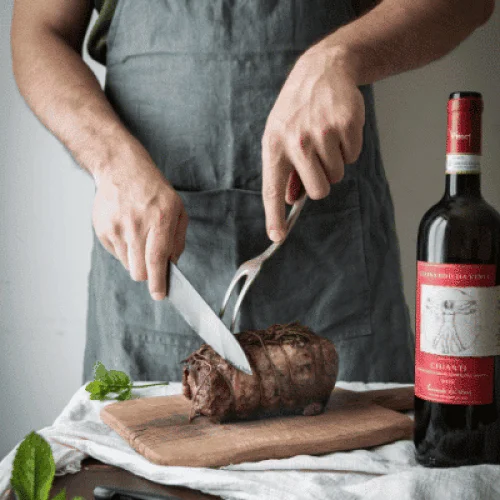
The sensation of astringency is perfect for best managing rich, fatty and oily foods. Tannin has a strong degreasing power, so it “cuts through” succulent proteins beautifully, such as those of a Florentine steak, making it possible to harmonise and bring out the best in both the flavour of the dish and the aromas of the wine being tasted. Some examples of pairings with tannic wines could be stewed foods, “peposo” or braised meat, rich roasts with sauces or fatty meats rich in juices.

Are you 18 years old?

Please verify your age to enter.

No, I am under 18