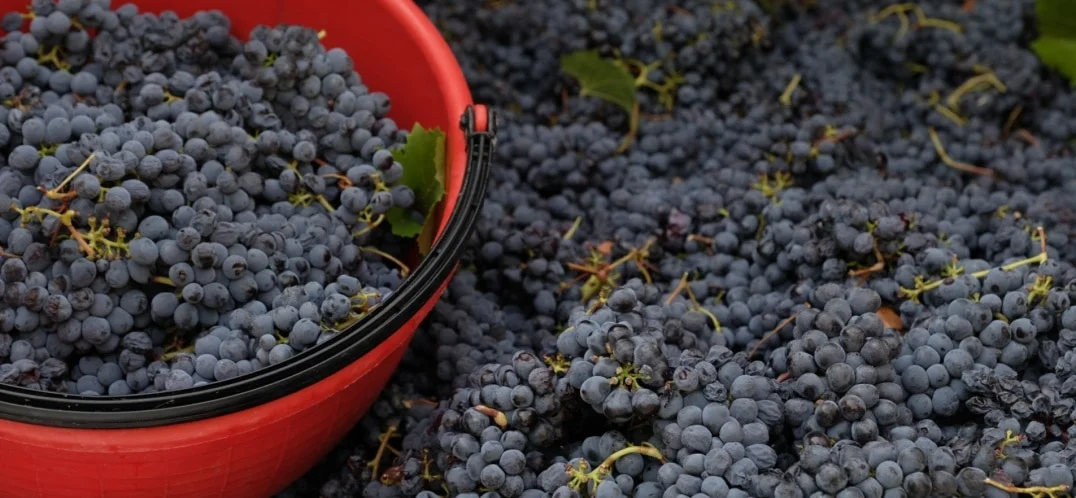
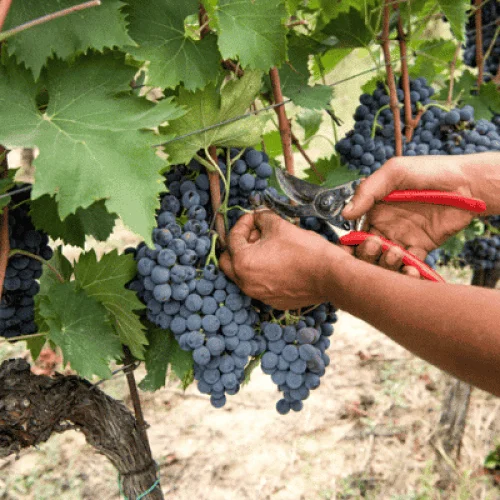
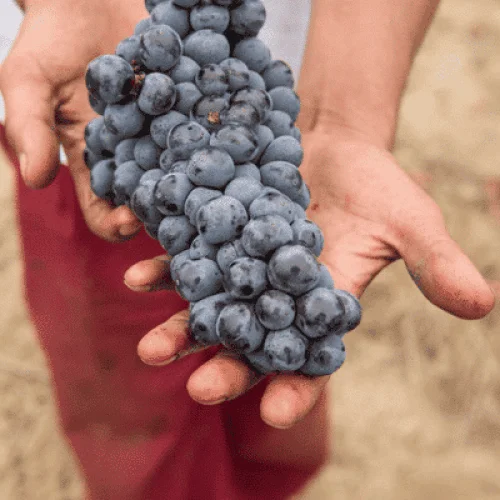
As mentioned previously, tannin is an organic and natural substance present throughout the plant world: in plants, in leaves, in seeds, in wood and in the skin of fruit. In a grape bunch, tannin is found in the stem, in the pedicel, in the pips and in the skins. It is extracted during the maceration phase, varying according to the acidity of the wine. In young wines, tannins are present in simple molecules, rather aggressive and astringent, whilst with ageing, such compounds become more complex, rendering wines more evolved, that is less astringent and softer.
Let us remember that, in addition to the tannins naturally contained in the grape, these compounds are also found in wood, so during the maturation phase the wine acquires others during its time in barrel or barrique. Wood releases, in fact, additional tannins that contribute to adding astringency and aroma to the wine. The smaller the barrel, the better the exchange of aromatic substances: this is where the saying “in the small barrel lies good wine” comes from.
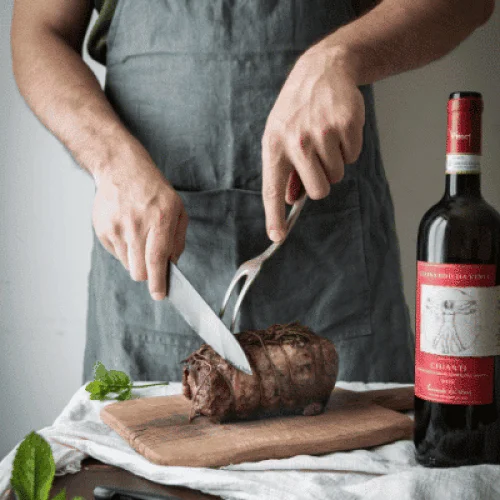
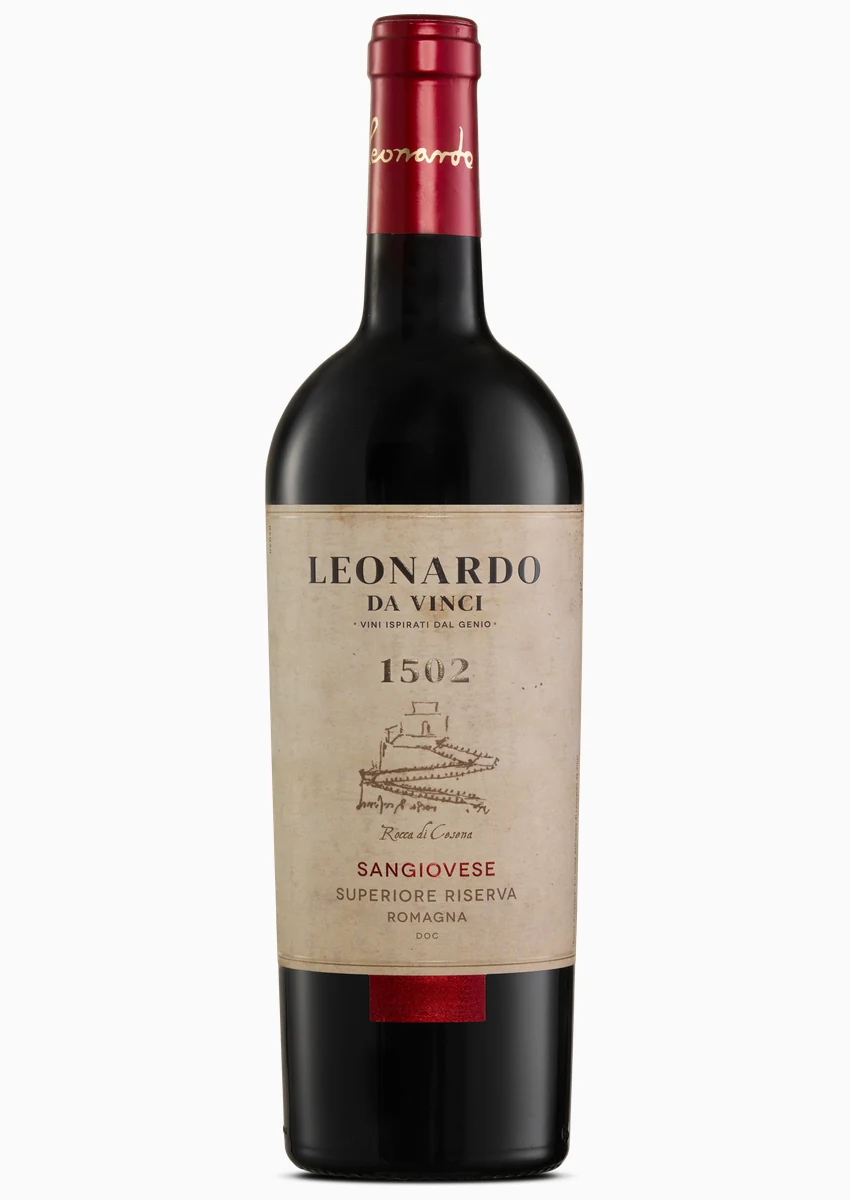
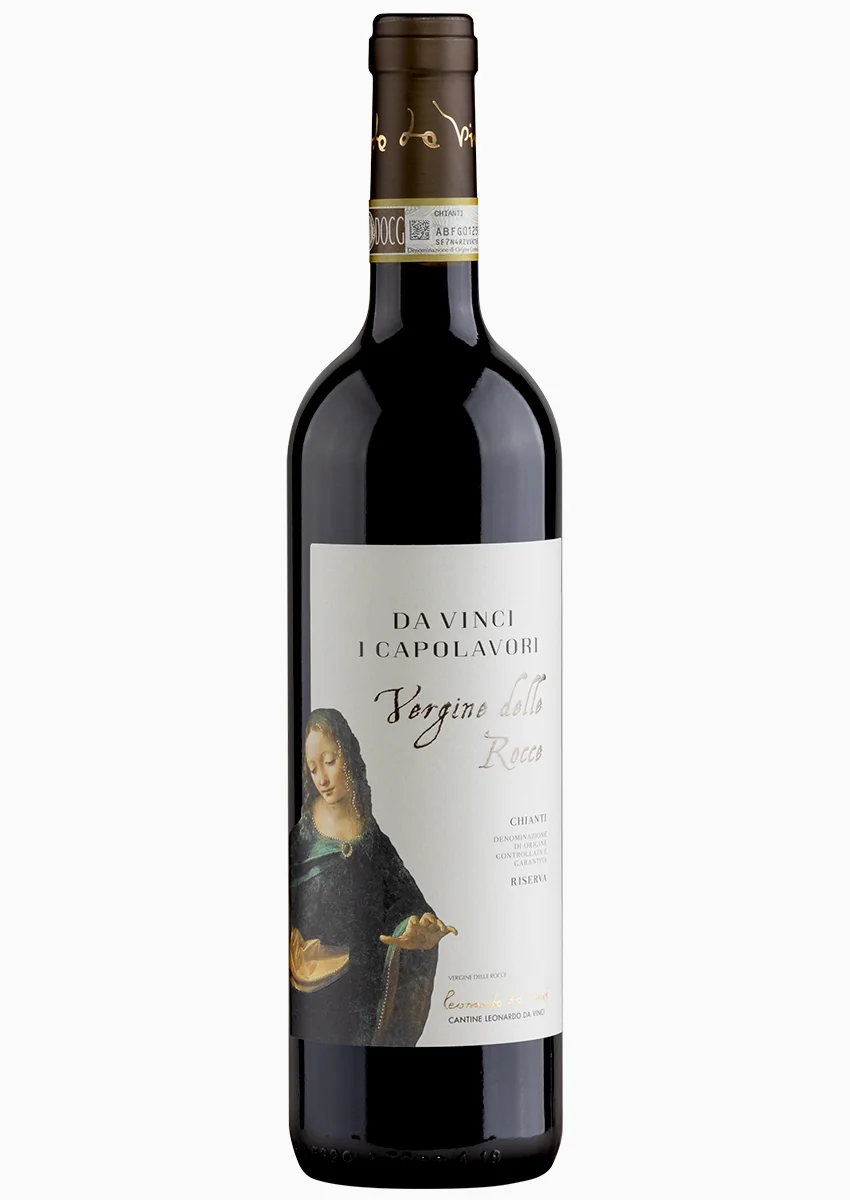
Among the best examples of tannic red wines from Cantine Leonardo da Vinci, we find many labels. To name a few, we suggest tasting Rocca di Cesena Sangiovese Superiore Riserva Romagna DOC from the 1502 Da Vinci in Romagna line; Vergine delle Rocce Chianti Riserva DOCG from the Da Vinci I Capolavori line, or also the San Giovanni Battista Brunello di Montalcino DOCG.