The Syrah grape variety is one of the most cultivated and renowned in the world. Syrah vines are found in the vineyards on the Tuscan hills surrounding Villa da Vinci, an estate of Cantine Leonardo da Vinci.
The Syrah grape variety is one of the most cultivated and renowned in the world. Syrah vines are found in the vineyards on the Tuscan hills surrounding Villa da Vinci, an estate of Cantine Leonardo da Vinci.
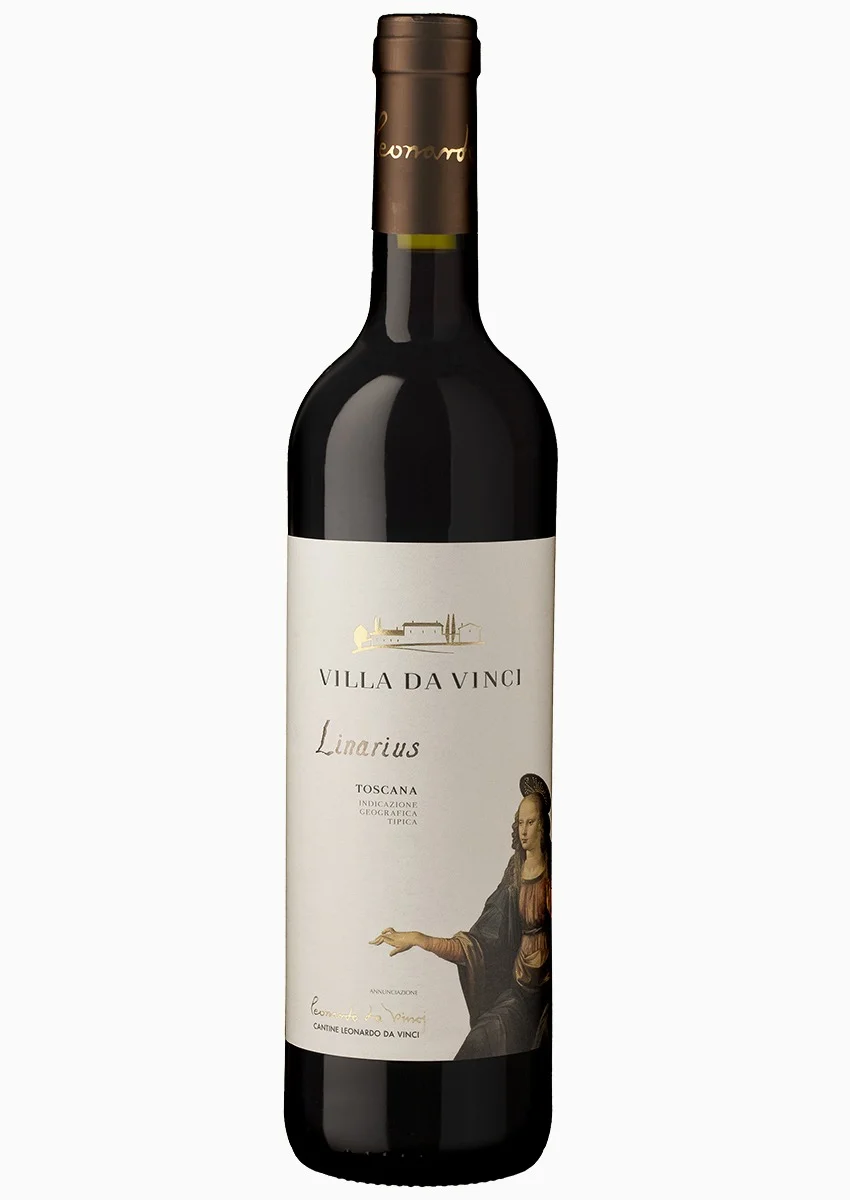
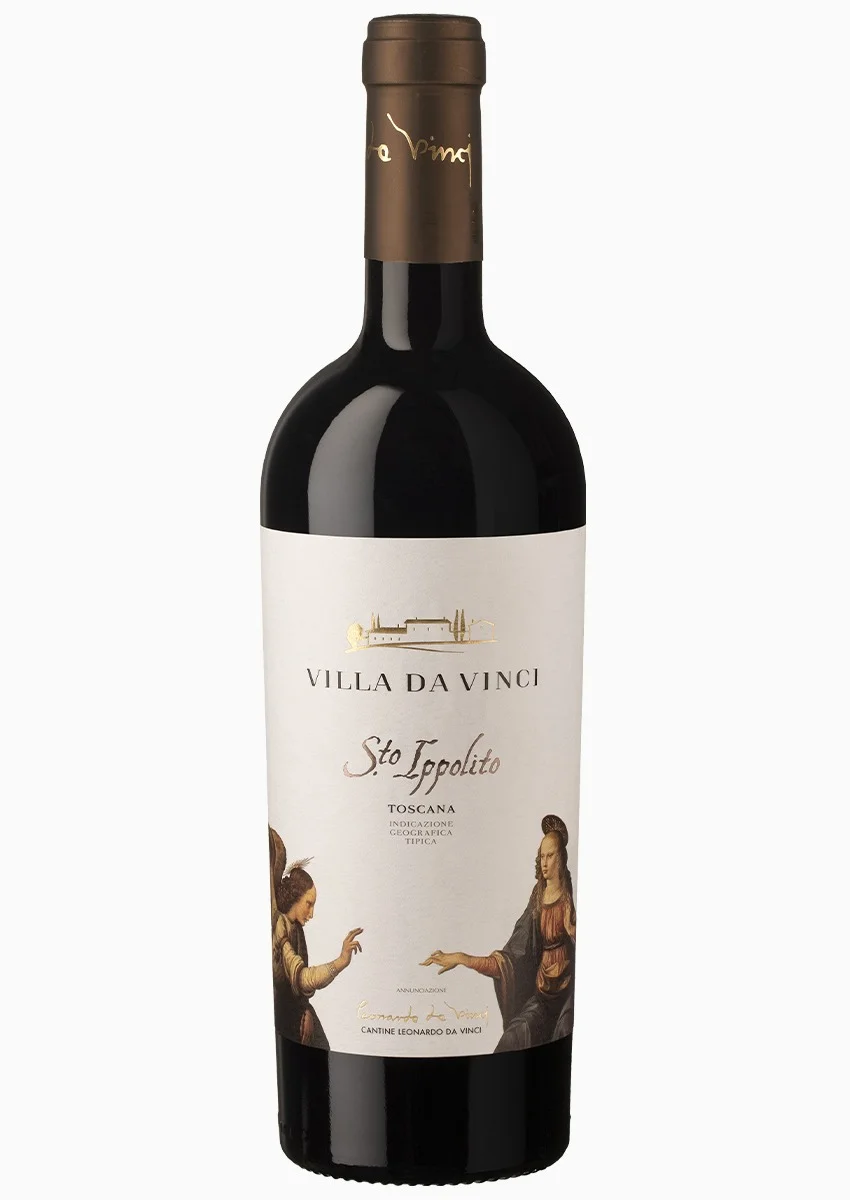
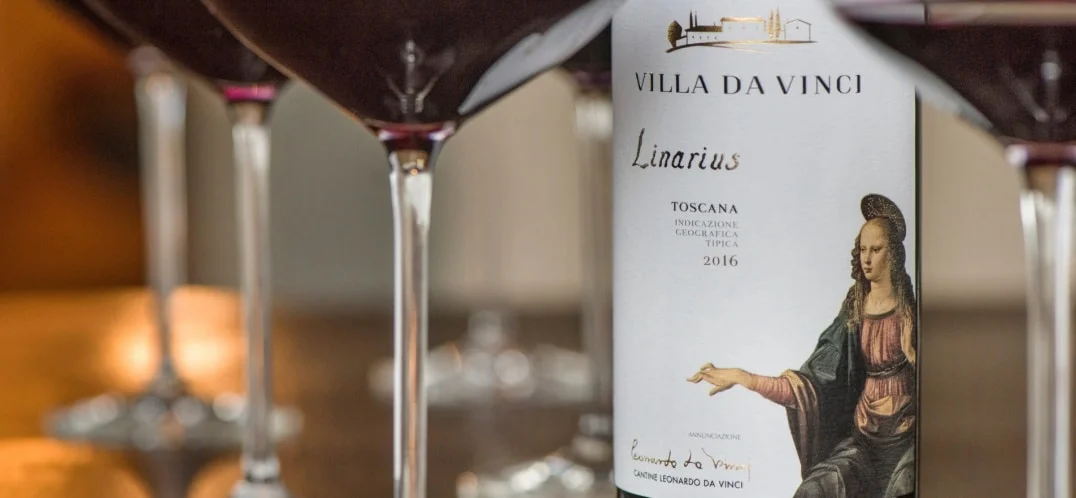
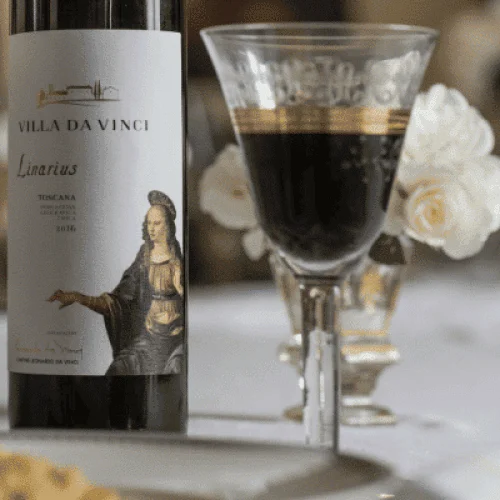
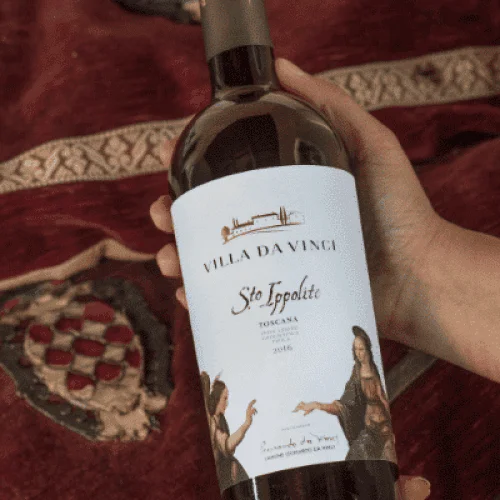
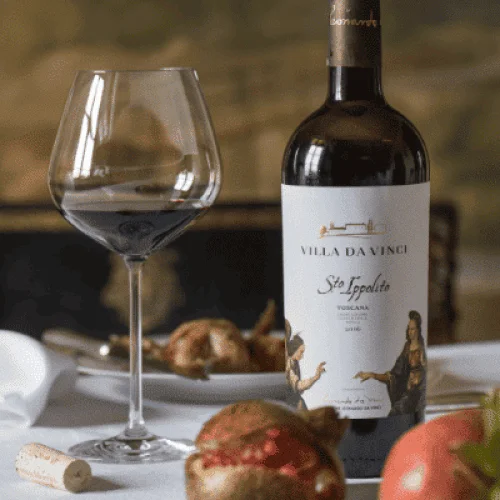
Among the various labels produced by Leonardo da Vinci, within the Villa Da Vinci line there is a Syrah wine, the Linarius Toscana IGT: a balanced red, with silky and enveloping tannin, long and persistent. Among the estate’s crus we also find the S.to Ippolito, a blend of Sangiovese, Merlot and Syrah, which combines in a single glass the consistency, balance and aroma of each of its compositional varieties.
The origins of Syrah have always been the subject of debate amongst experts in the wine world. Persian, French, Sicilian, Albanian? There are many legends that blend with the history of this red-berried variety.
Starting from Persia, and from the city of Shiraz, the cradle of Middle Eastern wine culture. The first evidence of grape cultivation in Shiraz dates back to around 2,500 BCE, when vines were brought from the mountains to the plains of south-western Iran.
In the fourteenth century, the wine from Shiraz was immortalised in the poems of the Iranian poet Hafez. In 1680, the French jeweller, traveller and writer Jean Chardin travelled to Persia to the court of Shah Abbas. There he participated in elaborate banquets that he described in his travel accounts, mentioning for the first time in Europe the Shiraz wine he had actually tasted.
The French, on the other hand, claim their own paternity over Syrah, locating its origin precisely in one of France’s most famous vineyards in the Rhône Valley to the south and home to the Syrah variety.
According to local legend, the Hermitage vineyard was founded by a thirteenth-century Templar knight called Gaspard de Sterimberg, who brought back a Persian vine from the Crusades. Indeed, it appears that the Templar, upon his return from the Albigensian Crusade, settled in the Rhône Valley where he planted some vine shoots he had brought with him. And it appears that this is precisely how the Syrah variety came to be spread in the Tain l’Hermitage area.
Another version of the story says instead that the name Syrah derives from the Albanian variety Shesh, originating from the Durrës area. But it is also said that the variety has Egyptian origins and it was the emperor Marcus Aurelius Probus, returning from Egypt, who stopped with his legions in Sicily, in Syracuse, and here planted some Syrah plants.
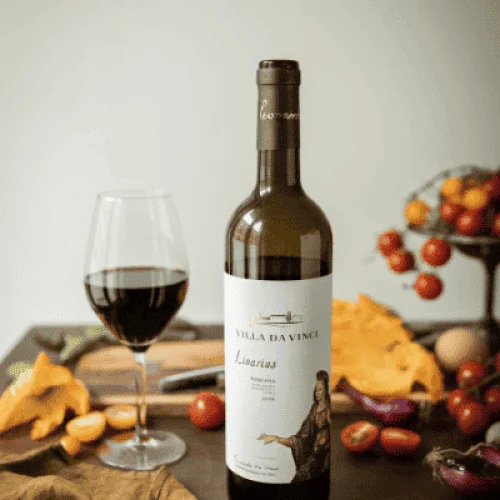
A wine with such an enigmatic history must also have a distinctive personality, and indeed the red wine Syrah is characterised by rather intense aromas of red fruit, such as cherry, blueberry, as well as notes of liquorice, which reflect the climates and latitudes in which they are produced. Being a widely distributed wine, it tends to have a rather wide flavour spectrum, but its distinctive organoleptic characteristic is the black pepper note imparted by the molecule rotundone. Finally, when it comes to a long-lived wine, Syrah lends itself to ageing, acquiring notes of cocoa, tobacco and caramel.
The typical spiciness of this wine makes Syrah well suited in general to red meat dishes. Considering the labels offered by the Leonardo da Vinci winery, the Linarius Syrah Villa da Vinci is a Tuscan red perfect for accompanying game, both furred and feathered, fresh pasta with well-seasoned sauce and aged cheeses such as Pecorino Toscano.
The S.to Ippolito Villa da Vinci is an excellent wine to enjoy paired with cured meats, typical Tuscan recipes such as “peposo”, pork roast and ribs.

Wine guide

Food & Wine

Art & Culture

Wine guide

Food & Wine