Characteristic of the Emilia-Romagna region, historically produced in the hills surrounding Bologna, Pignoletto is an ancient wine known since Roman times.
Characteristic of the Emilia-Romagna region, historically produced in the hills surrounding Bologna, Pignoletto is an ancient wine known since Roman times.
In continuous expansion, production of this grape variety has been extended to foothill and plain areas in other zones across Emilia-Romagna.
Humble tradition, that of Pignoletto: a table wine, the wine par excellence. The grapes, supported on the shoulders by brentatori (barrel carriers, full of wine or water in case of fires) were transported to the city to then be worked and transformed into wine directly at home. Essential, Pignoletto has always sustained great family tables: during holiday periods but also in working days of the week, Pignoletto has always accompanied Emilian gastronomic culture.
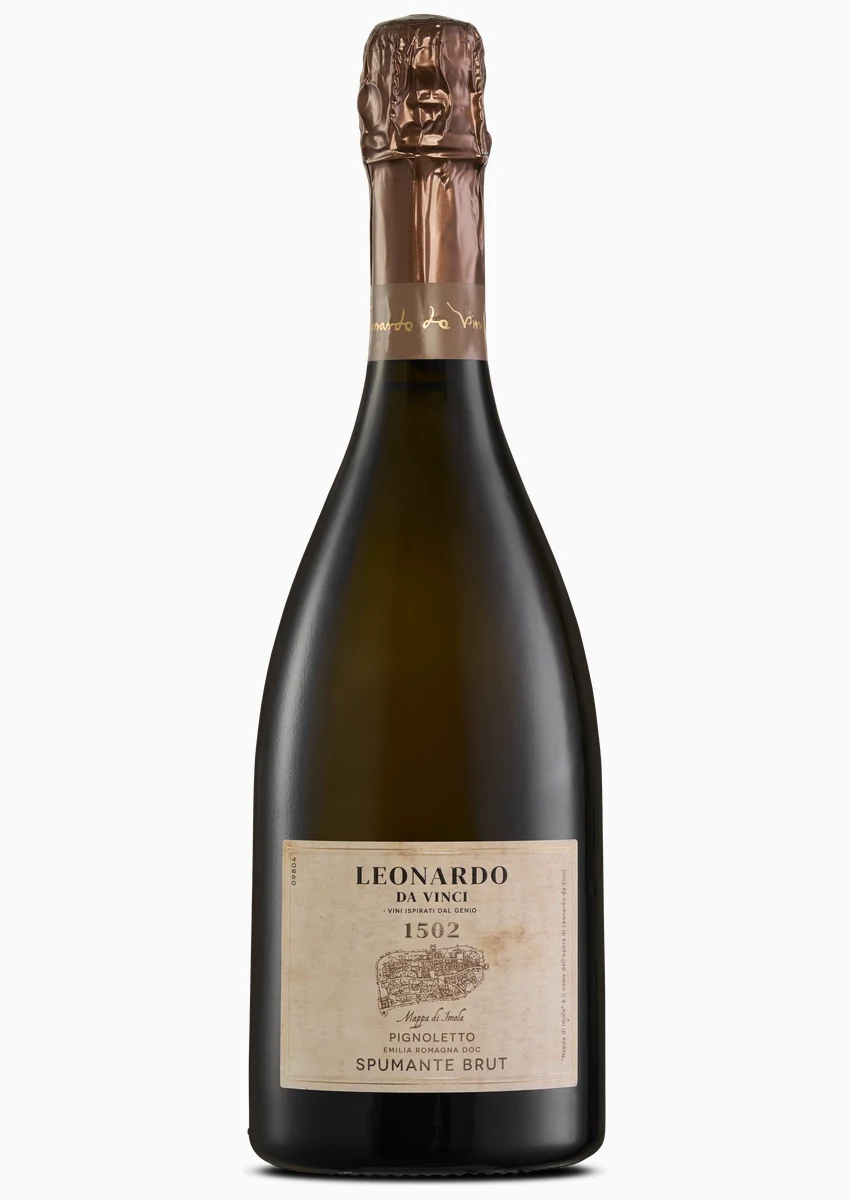
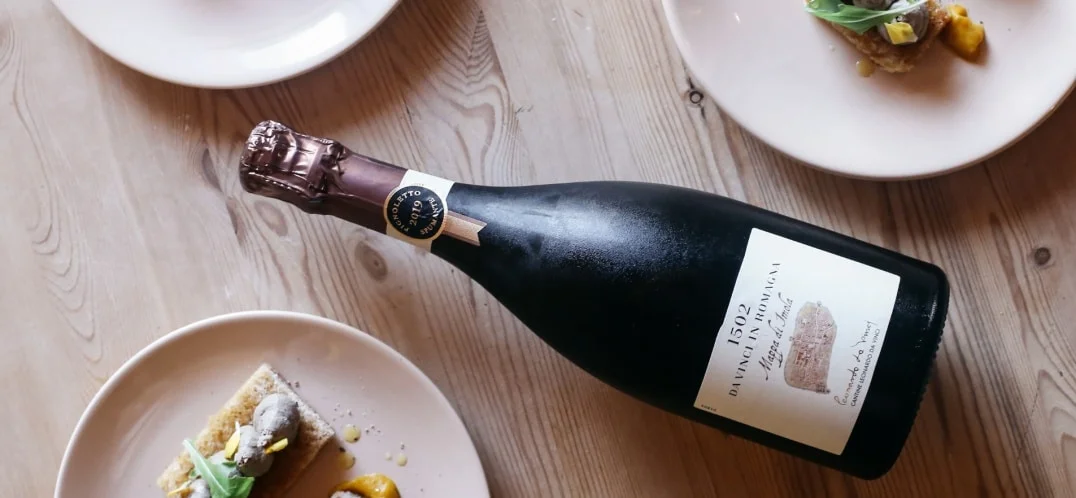
Cantine Leonardo da Vinci has included Pignoletto in the 1502 Da Vinci in Romagna collection: a tribute to Leonardo’s journey through the main Romagna cities, particularly in Imola where he drew the city map which is shown on the label.
Historical descriptions that have emerged provide a possible etymological overview from which various conclusions can be drawn to support the current name. Above all, the oldest, cited by Pliny the Elder in his Naturalis Historia in which he describes a ‘pinus laeto’: not sweet enough to be appreciated and therefore not consumed at that time. Or again, it seems that Vincenzo Tanara in his Economia del Cittadino in Villa from 1674 alluded to pignole grapes because they were not suitable for winemaking; or, more simply, the name could refer to the pine-cone shape of the berry, thus ‘pignoletto’.
The Pignoletto grape variety is the one that best represents this territory, highly influenced by international influences: a unique product that can be expressed in different shades. Produced in various styles: still, with typical and unaltered characteristics of the variety; frizzante with natural fermentation; sparkling with Charmat method or classical method.
In classic still version or in frizzante and sparkling versions, pignoletto is the most versatile grape variety of the Emilian area. Pignoletto is controlled by regulations that require almost total purity, no less than 85% of grapes of the same variety. From bunches of medium size, compact and oblong, the berries show the same appearance, elliptical shapes and a mature yellow colour towards green, tending to gold during full ripeness. From aromatic notes, the wine presents itself pale straw-yellow with notes of white pepper, wisteria, citron, chamomile and ginger. With constant and abundant productivity, germination occurs prematurely, already in the second part of April: for frizzante pignoletto and sparkling pignoletto, harvest begins after the second half of August while for classic Pignoletto at the end of September.
To obtain a classic Pignoletto it is necessary to use more than 80% of grapes from the same vineyard and in addition grapes from Pinot Bianco, Riesling Italico and Trebbiano Romagnolo varieties from surrounding areas can contribute. Forcing practices are prohibited and emergency irrigation is allowed for no more than twice during the same year.


Pignoletto wine in the dry version is harmonious, dry and fairly persistent, it is fresh in acidity, with a slightly fruity undertone. On the palate, it is light and aromatic, with a finish leaning towards citric and aromatic flavours, of almonds and citrus fruits. If frizzante, Pignoletto is of a clear colour, mustard with greenish reflections and a fine but persistent perlage. Delicate but not indulgent, on the palate emerge the sweet and harmonious notes of a varied bouquet with a herbaceous undertone of hay and fresh grass.
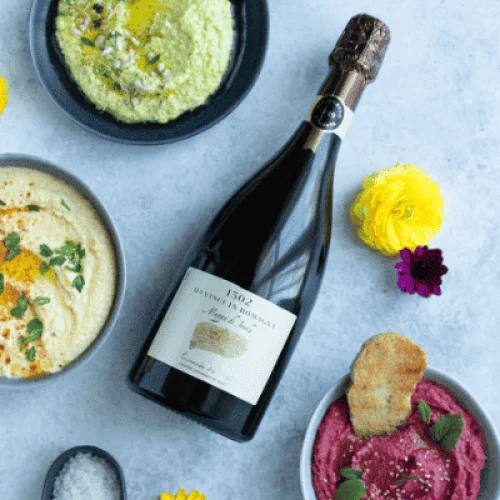
Lively and light in both versions, Pignoletto turns out to be drinkable and perfect for accompanying fresh cured meats and fish, soups and caciucchi. Tradition remembers it as excellent with Emilian cuisine, its delicate and fruity flavour pairs beautifully with the cult dishes of local gastronomy, such as tortellini in broth and tigelle, fresh cheeses and white meats. It enhances first and second courses by giving them an aromatic note and a pleasant and necessary freshness on the palate.
Cantine Leonardo presents its own Pignoletto in the 1502 Da Vinci in Romagna collection and in Spumante Brut version, produced according to the Charmat method. This sparkling Pignoletto is distinguished by its silky softness, which caresses palate and olfaction with its livery of fruit and flower so fragrantly spirited. Pignoletto grapes for sparkling production are harvested manually and mechanically in the period of late August and early September. Brilliant yellow in colour, the sparkling wine is lively and with very fine bubbles; sparkling production refines the characteristic bouquet of the variety. With a dry body but pleasantly fresh, its flavour is soft and pleasant on the palate. Perfect aperitif wine, it is particularly suitable also for accompanying the entire meal.

Wine guide

Food & Wine

Art & Culture

Wine guide

Food & Wine