One of the sectors most affected by climate change is undoubtedly agriculture.
One of the sectors most affected by climate change is undoubtedly agriculture.
In particular, enology faces a difficult challenge since wine is affected by rising temperatures, and the risk is that the geographies of viticulture will be upset and the very identity of a product so linked to human culture and history will be compromised.
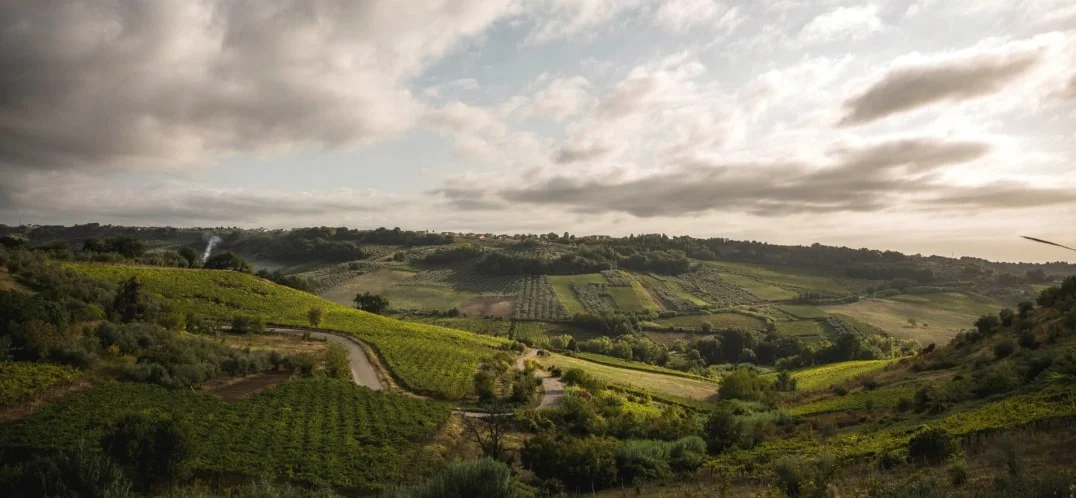
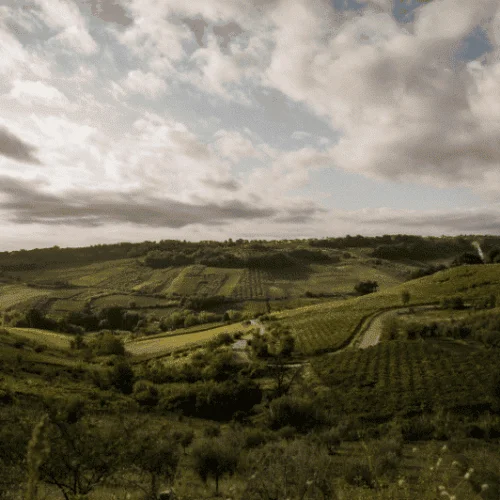
And the territories that are most suited – by history and productive capacity – to vine cultivation are already grappling with climate change and its consequences, such as Tuscany, which for years has been questioning a salient issue: could climate change risk modifying the taste of Chianti, a wine symbolic of this territory, known and loved throughout the world?
Chianti and climate change is therefore a current and debated topic, not only for the taste of wine but also for the economic and social impact that rising temperatures can have. With climate change, it is necessary to advance the harvest: it is no coincidence that in recent years it has been brought forward from October to September, if not even to late August. Beyond the advanced harvest – which consequently modifies all the winemaking timelines – it also affects yield, which is lower with the consequence of less product being put on the market, but also a smaller number of human resources involved in the processing, with social and economic repercussions on the entire territory.
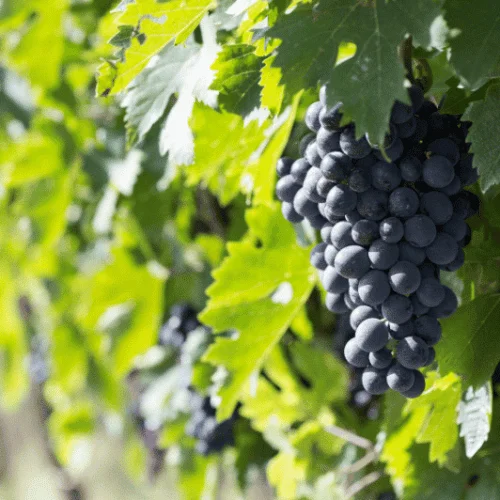
The grape varieties intended for Chianti are severely affected by climate upheaval. Some of these changes can also influence important vine functions, especially those linked to organic matter content, salinity and water availability, particularly in varieties such as Sangiovese. Changes in the quantities and composition of sugars and acids, the higher ethanol content and the modification of flavour are some of the characteristics of wine that can be correlated to higher temperatures. The vine is, therefore, the great disadvantaged in this whirlwind process in which intervention is needed as soon as possible, in order to preserve and safeguard the good terroir of Chianti.
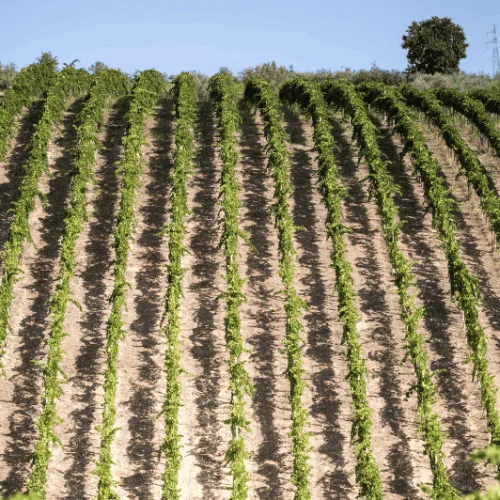
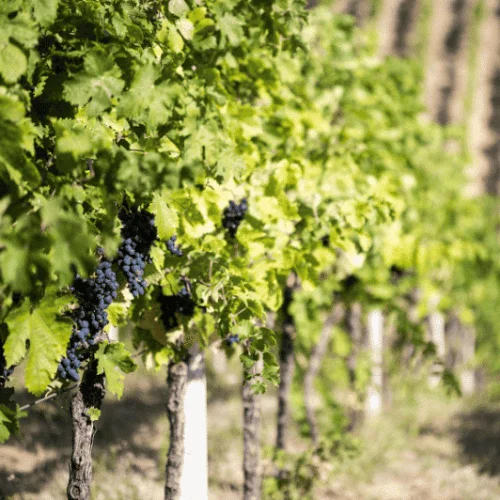
Technological aspects can help greatly in stabilising viticulture, such as tools placed inside the fields or between the vineyard rows that detect environmental conditions and analyse the situation of the plants and can create ad hoc solutions for crops and automatically implement them, fertilising or irrigating the plants that are suffering most.
There is also the creation of artificial lakes inside the collection fields so as to overcome the problem linked to soil aridity or the insertion of weather stations inside the vineyards so as to follow in real time the rainfall and changes in order to be able to intervene promptly on the vineyard rows.
Agronomy also comes to the aid, with the experimentation of new vine varieties capable of surviving naturally, or the identification of areas more suited to cultivation.
Operators in the sector are therefore called upon to intervene with great sense of responsibility, in a sustainable, ethical and technological way to remedy this phenomenon.
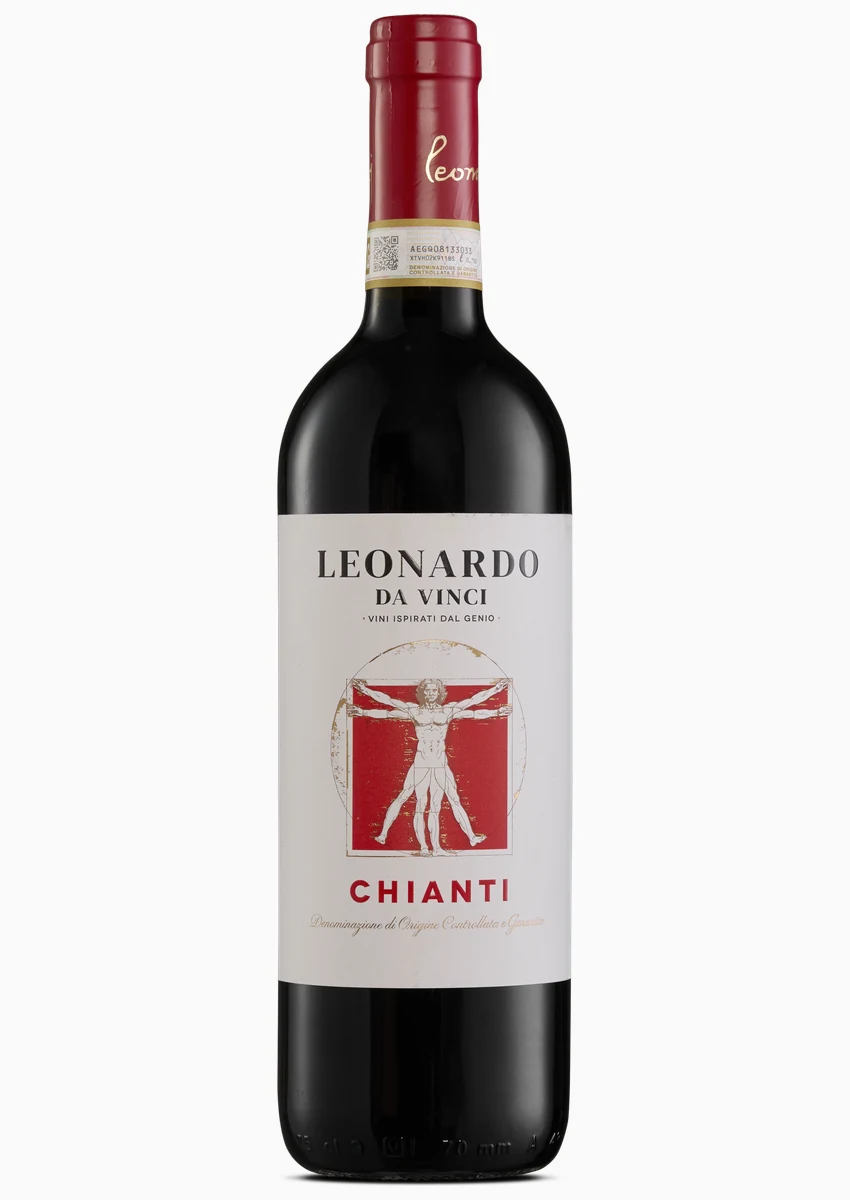
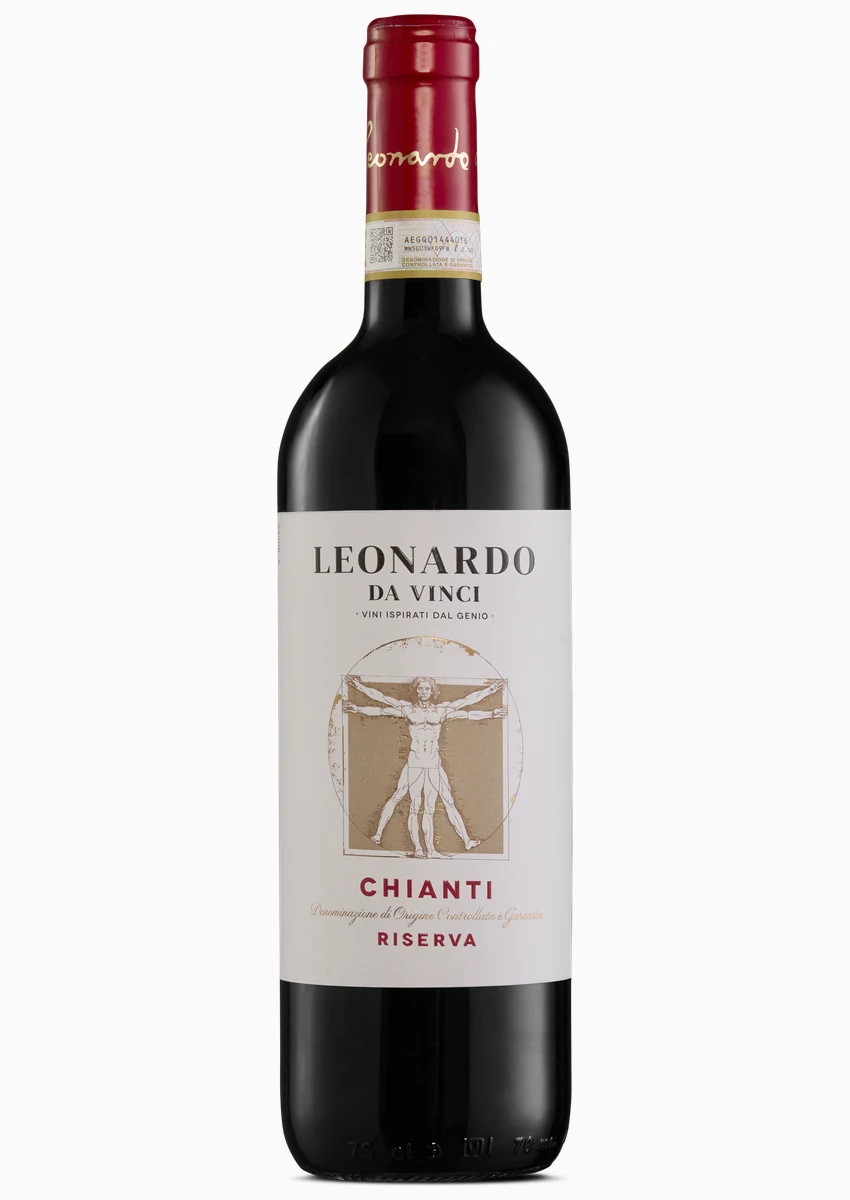
We at Leonardo da Vinci Cantinas are committed to producing in a sustainable way, reducing the environmental impact of all operations involving our products – from earth to table. And the result of our work is in the bottles of Chianti and Chianti Riserva from the Leonardo da Vinci collection and the I Capolavori collection.
In short, what man has devastated can be remedied and preserved, thanks to the use of technology, field tools, agronomic research and sustainability.

Wine guide

Food & Wine

Art & Culture

Wine guide

Food & Wine