





The term Cru refers to more than just the vineyard of a specific geographical area: discover all the meanings of this important French term.
The term Cru refers to more than just the vineyard of a specific geographical area: discover all the meanings of this important French term.
The term cru used to describe wine is a small word, just three letters, yet it carries powerful evocative appeal and can spark curiosity about its deeper meaning. But what does “cru” actually mean? In the language of wine, this French word has become common beyond France, where it takes on different meanings.
In France, the term cru as applied to a wine carries a precise and distinct meaning compared to Italy. Cru is the past participle of the verb “croître”, which means “what grows in a region”, and in the world of wine it is used to denote a particular vineyard that has grown in a specific area and from which an exceptionally fine wine is obtained.
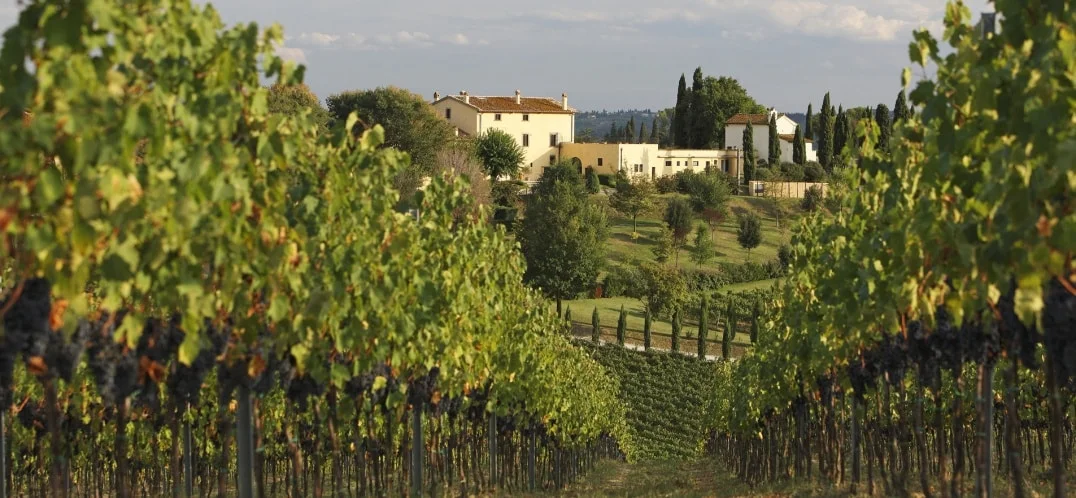
The use of the French term cru has ancient origins and is believed to have first been used by the Burgundian winegrowing monks, who employed this word to refer to the finest vineyards in their holdings, which were delimited by stone walls so they could be more easily recognised. Each vineyard had a name, to which the term “cru” was added. In France, where the use of this term is regulated, there exists a scale of cru to indicate more precisely and broaden the meaning of the term. It ranges from Premiers Crus (wines from the finest vineyards) downwards: Deuxième Crus, Troisièmes Crus, Quatrièmes Crus, Cinquièmes Crus and so on.
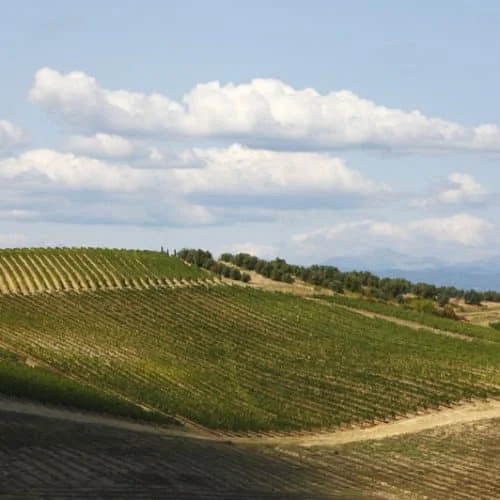
In Italy, when we see the word cru in Italian wines, it is important to understand that the term is not officially recognised by oenological regulations regarding wine labelling and communication. The use of the word cru in Italy carries a meaning that underlines the prestige of a wine, or the value of a particular geographical area or a specific vineyard, and is used in an evocative rather than a normative way. This does not diminish the fact that this word draws attention and curiosity to the wine to which it refers.
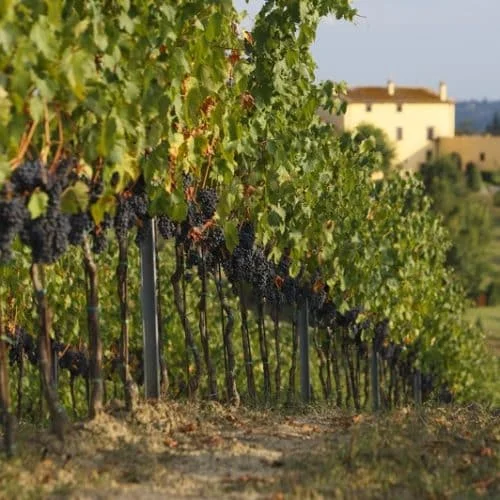
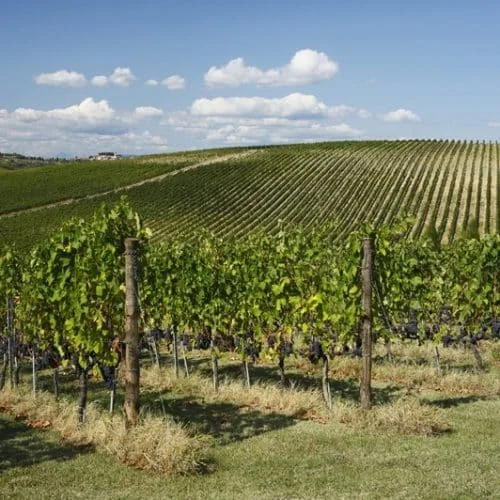
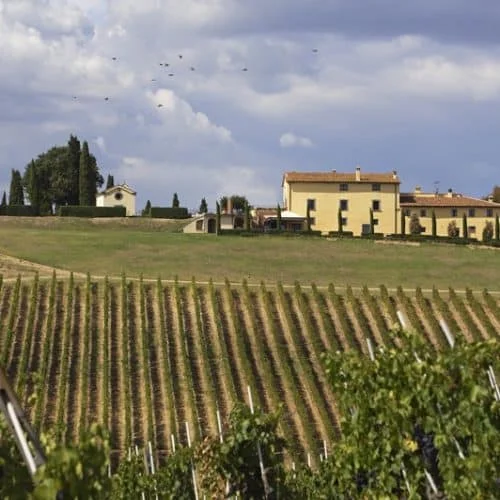
Cru wines are special because they are produced in vineyards that, by virtue of their position, exposure, history or geography, possess characteristics that make them unique and therefore worthy of note. For example, Cantine Leonardo da Vinci designates the wines of the Villa da Vinci collection as cru wines, as they are made from grapes grown in the vineyards surrounding the villa on the hills of Vinci, which in ancient times were owned by the family of Leonardo da Vinci. These are vineyards of considerable historical and cultural value, but also renowned for their oenological vocation, given their excellent exposure and temperate microclimate.

Wine guide

Food & Wine

Art & Culture

Wine guide

Food & Wine