As Epicurus states: 'one must meditate on what brings happiness'. For this reason, it is also worth taking time to meditate on wine to the point that there exists a family of wines that are precisely defined as 'meditation wines'.
As Epicurus states: 'one must meditate on what brings happiness'. For this reason, it is also worth taking time to meditate on wine to the point that there exists a family of wines that are precisely defined as 'meditation wines'.
What meditation wines are is said by the word itself: these are wines that are particularly structured and complex and require time and calm to be appreciated; they are wines to be savoured slowly, to which you should dedicate the right time and attention.
For this reason meditation wines differ from table wines and aged wines: meditation wines can be enjoyed alone, not necessarily paired with a dish or food.
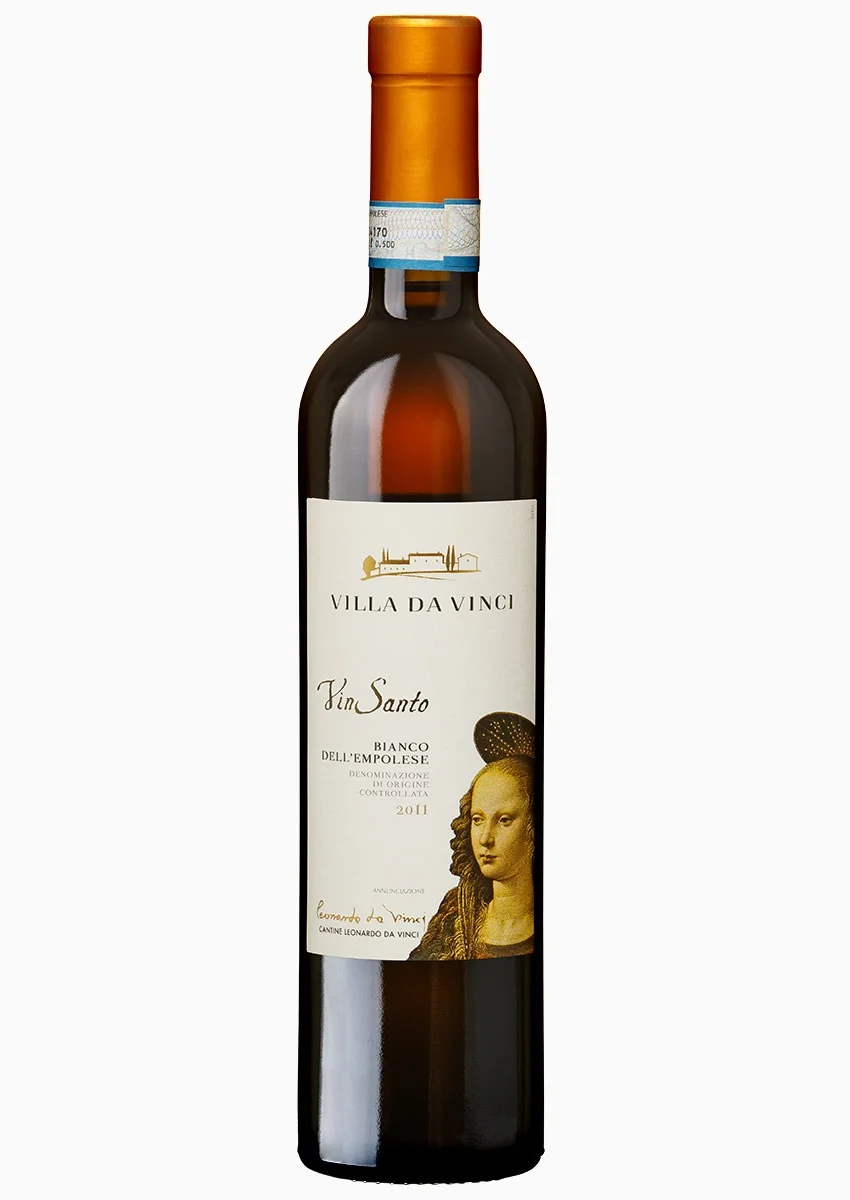
Among the wines of the Leonardo da Vinci Cellars collections you can choose a meditation wine par excellence: Vin Santo. Produced from Trebbiano grapes hand-picked in a small hilly area of Vinci, the Vin Santo Villa da Vinci has an intense amber colour, releases aromas of dried fruit, figs, almonds and honey; rich and velvety on the palate, it is sweet and well-balanced by a good acidity.
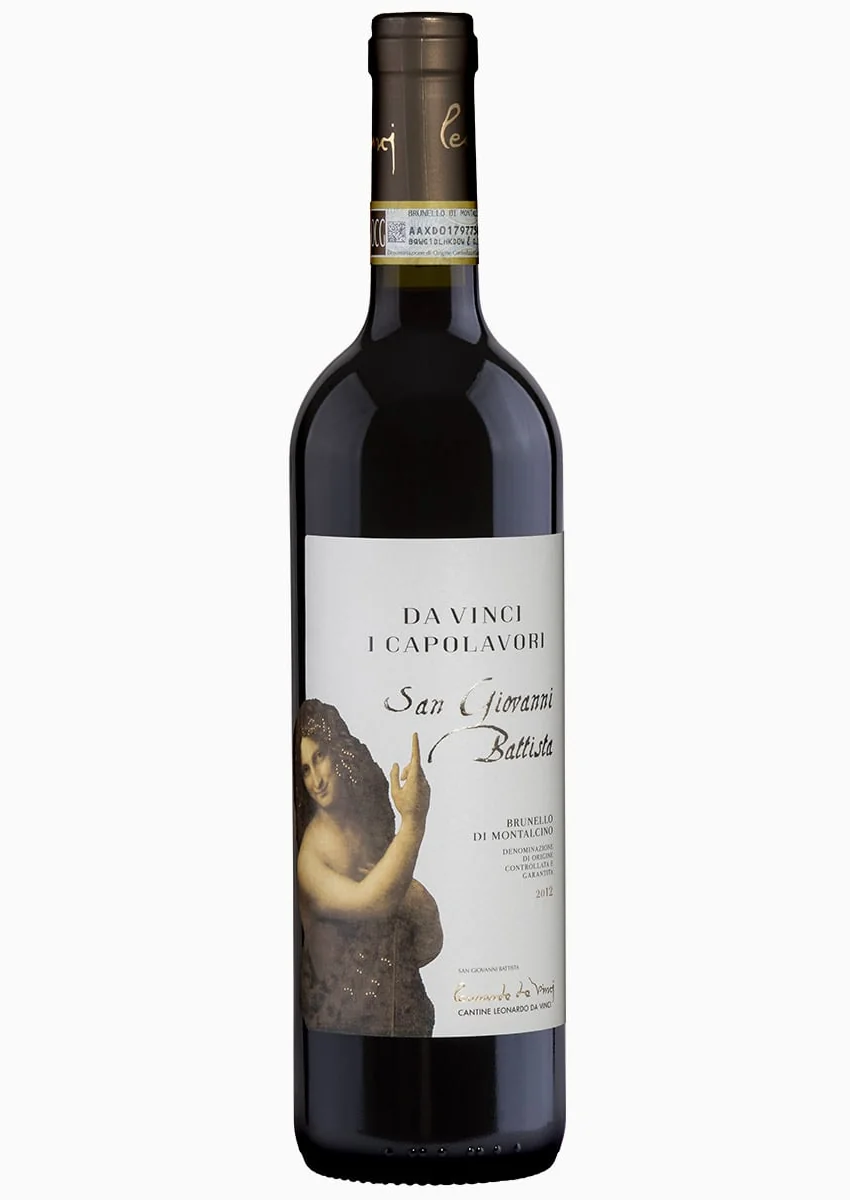
A red meditation wine is then the Brunello di Montalcino from the I Capolavori Collection, which lets itself be discovered slowly in its intense fruity notes of blackberries, black currant and cherries. Also in I Capolavori, the Amarone della Valpolicella Classico is considered a meditation wine for its formidable sensory qualities: on the nose it presents an ethereal, intense and persistent bouquet with pronounced notes of ripe cherry and plum, perception of vanilla, chocolate, spices and coffee, due to the long wood maturation and bottle aging.
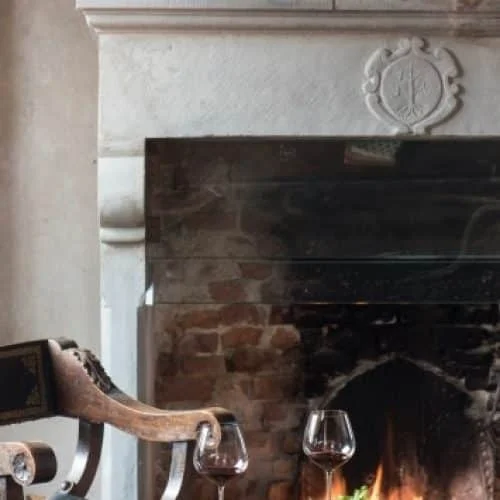


These are wines that accompany your every thought, and what better than a good glass of wine to take the time to discover how many stories a bottle can tell? As the very meaning says, meditation wine requires time to be enjoyed and so they are tasted either at the end of a meal or at times different from those dedicated to food consumption. Time and slow tasting allow you to perceive every detail of the gustatory experience. Their characteristic of having a rich personality, very intense scents and flavours makes pairing particularly difficult, but meditation wines can usually be paired with sweets and desserts and cheeses – especially the blue-veined ones.
In Italy several types of meditation wines are produced, usually these are sweet wines, late harvests, passiti, but they can also be dry wines with a long period of time between harvest and bottling. Meditation wines invite introspection but also debate: tasting them in company is a good way to encourage everyone to grasp every nuance, both of scents and flavour.

Wine guide

Food & Wine

Art & Culture

Wine guide

Food & Wine