





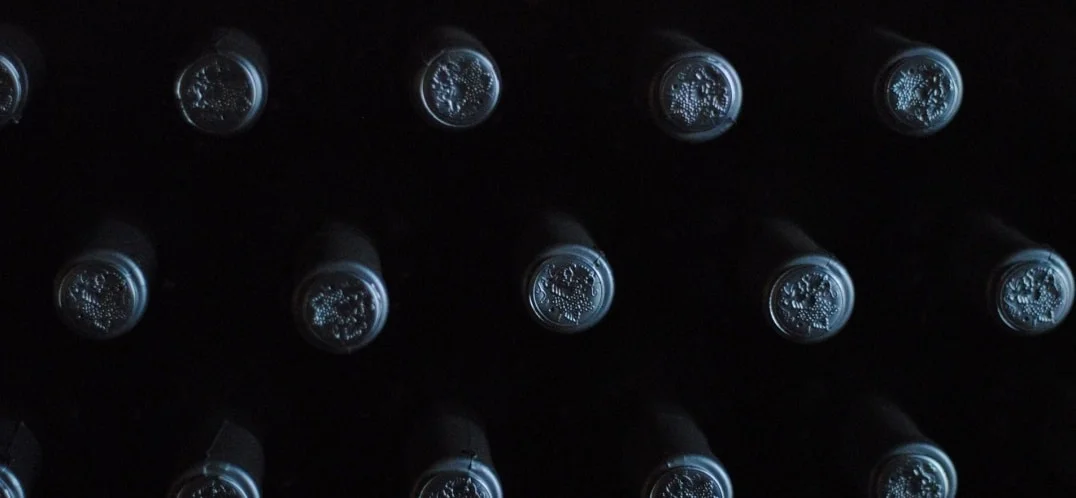
Wine is a living beverage, constantly evolving. Once it is bottled, it does not stop transforming and begins a new phase of its own life. As time passes, wine gains complexity until it reaches its peak.
Wine is a living beverage, constantly evolving. Once it is bottled, it does not stop transforming and begins a new phase of its own life. As time passes, wine gains complexity until it reaches its peak.
If we open a bottle today it will have a different taste from what it would have if we opened it in a few months. Therefore, it becomes important to know how to store wine and accompany it on its path towards the perfect moment to be enjoyed.
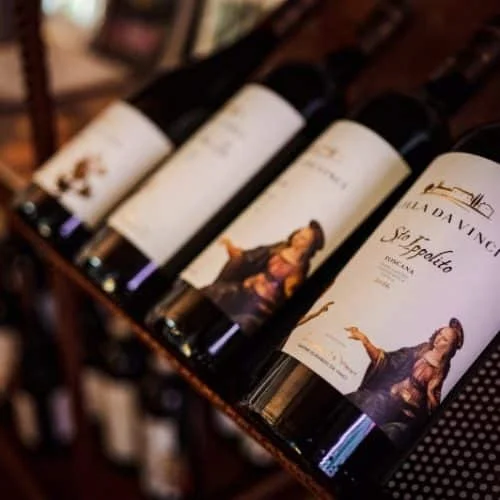
To store wine correctly, it is useful to follow some simple but fundamental precautions. The first concerns position. Especially if it is necessary to store wine for a few years, bottles should be laid on their side, that is stored horizontally. The reason for this precaution has to do with oxidation, a phenomenon that would disturb the normal course of wine’s maturation, damaging it. Bottles placed horizontally, in fact, allow the wine contained inside to come into contact with the cork and keep it moist preventing it from drying out. The damp cork will not let air into the bottle which is the main cause of oxidation.
It is important to remember to point the label upwards, so that it can be read immediately. A suggestion not to underestimate especially if you have to store red wine: it may happen that bottles need to rest for a few years and it is necessary to occasionally check their state of storage, verifying vintage, type, bottle integrity and any formation of sediment. After position, you need to pay attention to the wine storage temperature. It is ideal to store wines between 12 and 14 °C, depending on the type of wine and the size of the bottle. Wine also needs to avoid light – both natural and artificial – so it must be stored in the dark; and it doesn’t like sudden movements, vibrations, or even strong smells that could affect it.
Once you have made sure you have opened the wine at the right moment – and every bottle has its own – we must ask ourselves how to store an open bottle of wine. It is again oxygen the worst enemy of correct storage so it is important to cork the bottle, preferably creating a vacuum effect. The storage of an open white wine bottle can be in the refrigerator, while the storage of an open red wine bottle can take place even at room temperature.
Storing wine correctly is the final and no less important part of the long chain that begins in the vineyard and ends on the table and allows you to enjoy a product that manages to express its best.

Wine guide

Food & Wine

Art & Culture

Wine guide

Food & Wine