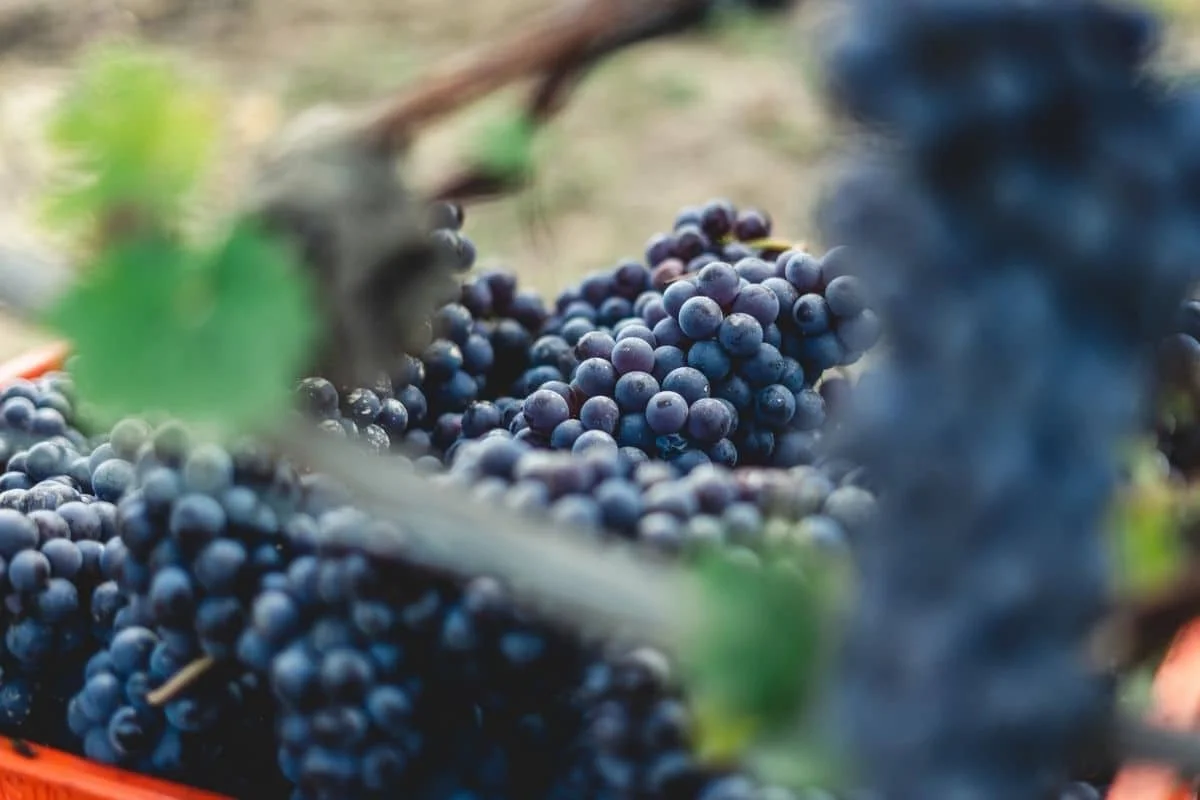
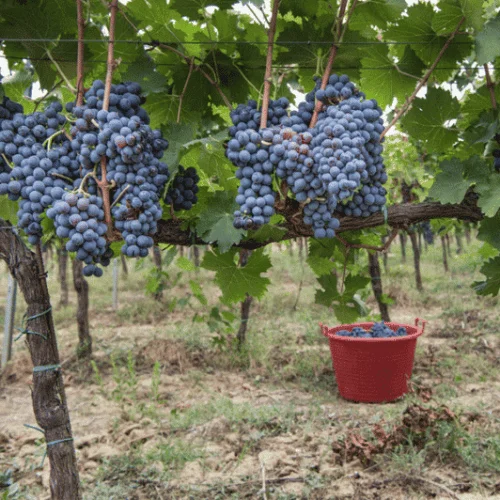
As mentioned, Sangiovese is cultivated in different regions of Italy, but although there are distinctions between the terroirs and areas of origin, there are similar characteristics that link the various clones spread across the territory.
Among the organoleptic characteristics that make it recognisable, there is its delicate floral bouquet of violet, iris, rose, intertwined with equally fine fruity notes of sour cherry and forest fruits. Woody notes are easily found in the glass when aged in wood, such as spiced aromas of vanilla, liquorice, cinnamon, nutmeg and black pepper.
On the palate, one cannot forget its tannin, powerful and never too soft, amongst which red flowers and fruits emerge to give a good acidity, highlighting the characteristic nerve of Sangiovese.
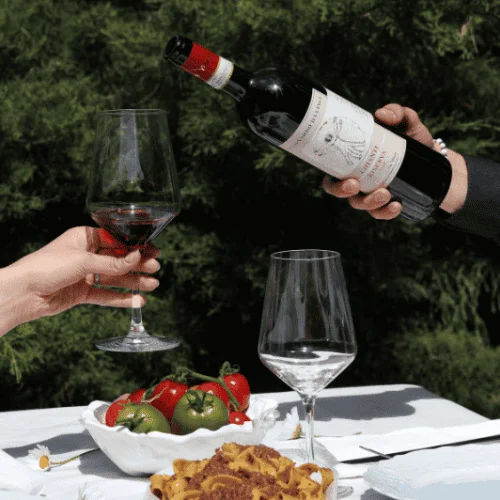
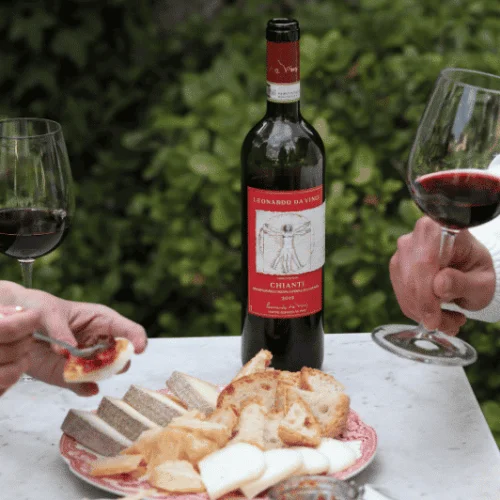
A large part of Cantine Leonardo da Vinci’s red wine production includes Sangiovese grapes.
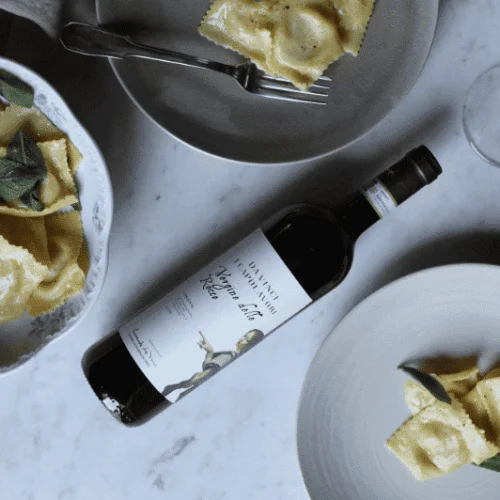
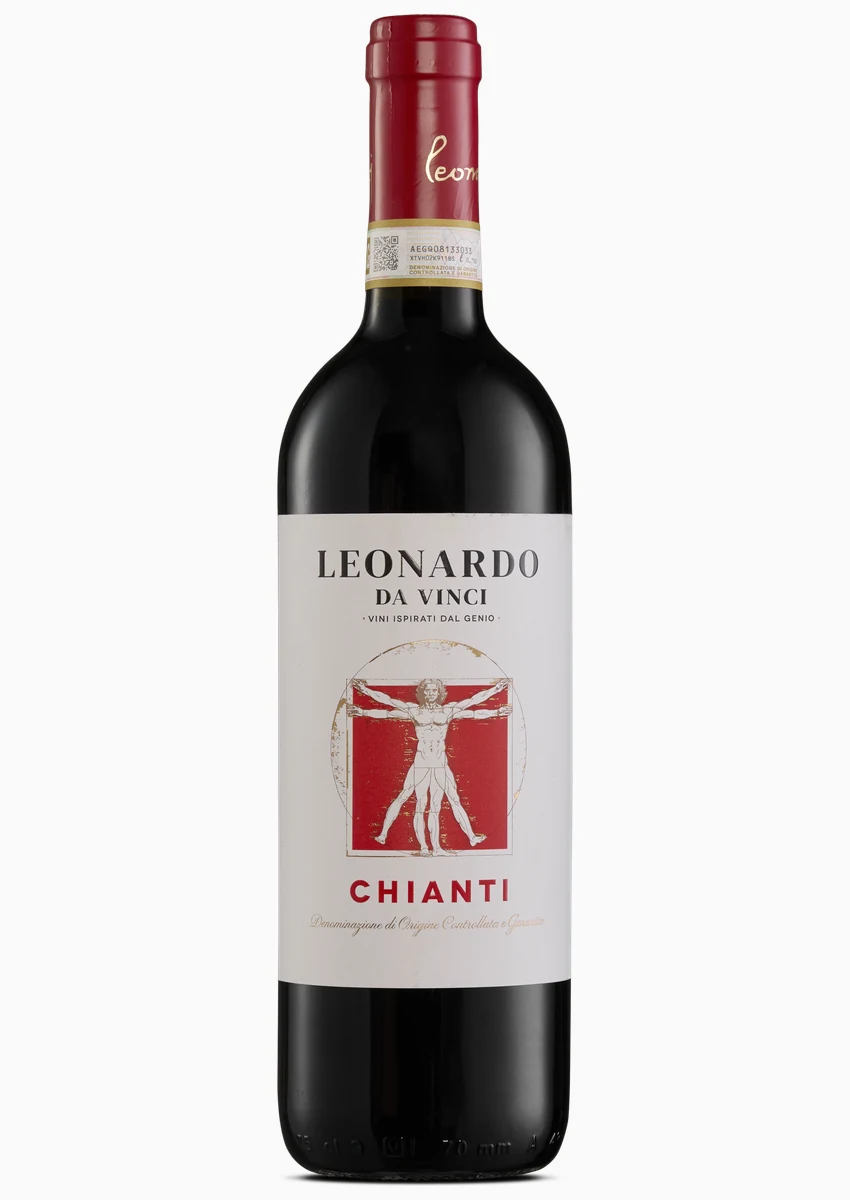
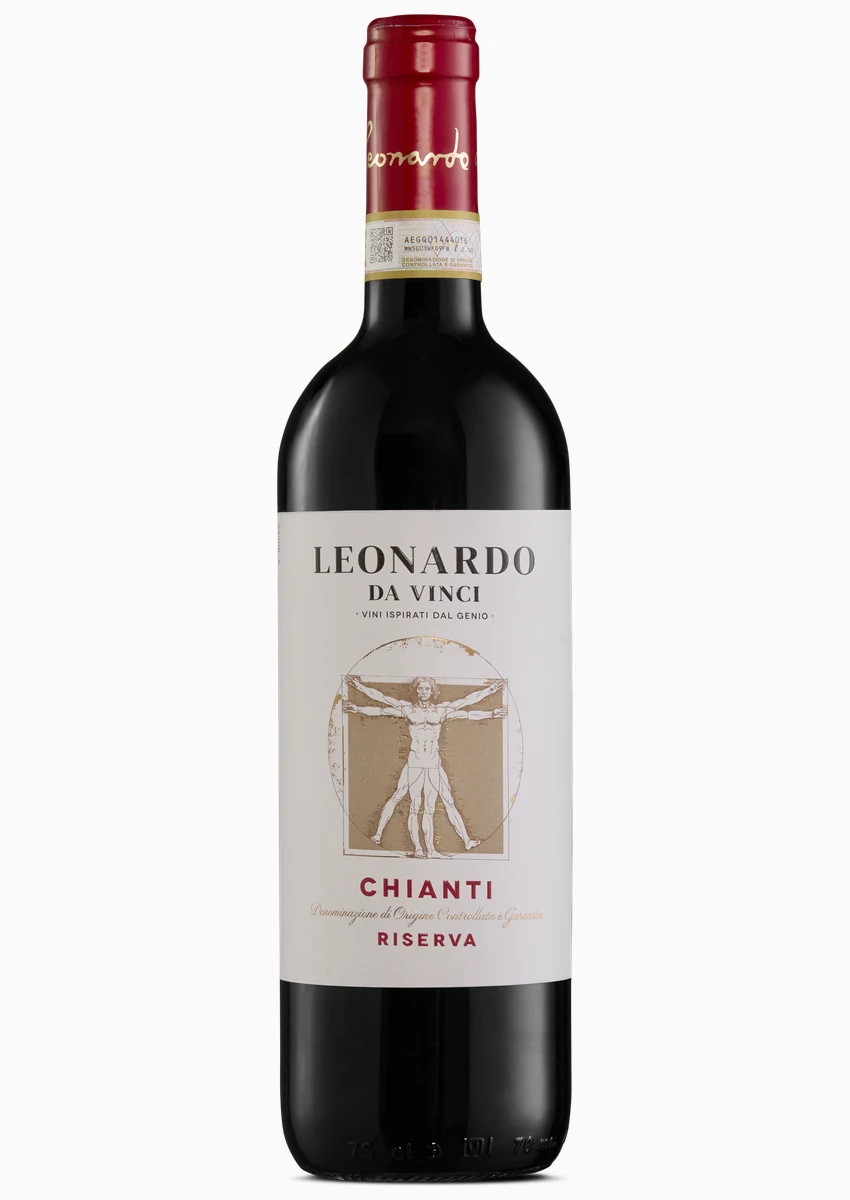
Among the most acclaimed wines, Cantine Leonardo da Vinci’s Chianti, available in Chianti DOCG and Chianti DOCG Riserva depending on the different ageing periods and present in two collections: Leonardo da Vinci and Da Vinci i Capolavori.
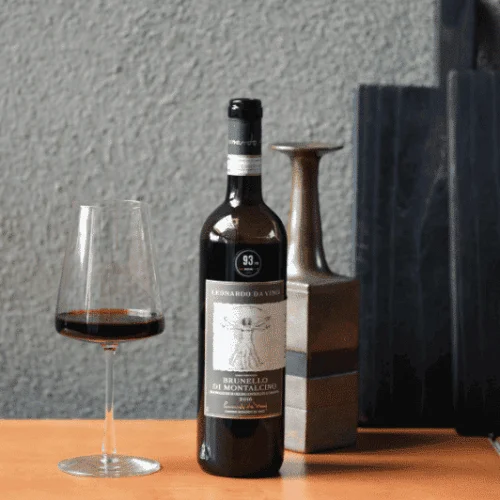
In the Montalcino region, Cantine Leonardo da Vinci produces perhaps the noblest version of Sangiovese, the Brunello di Montalcino with two outstanding wines: the Brunello di Montalcino DOCG from the Leonardo da Vinci line and the Brunello di Montalcino DOCG San Giovanni Battista. Both faithful representatives of the most authentic expression of the Tuscan territory and the typicity of the grape variety here called “Sangiovese Grosso”, these two red Tuscan wines offer pleasant tannins softened by time, in addition to strong fruity bouquets of blackberry, blackcurrant and cherry.
Elegant and refined is also the Toscana Rosso “San Zio”, 95% Sangiovese and 5% Colorino, whose brief contact with oak enhances aroma, colour and aromatic breadth, respecting the native fragrance of the grape.
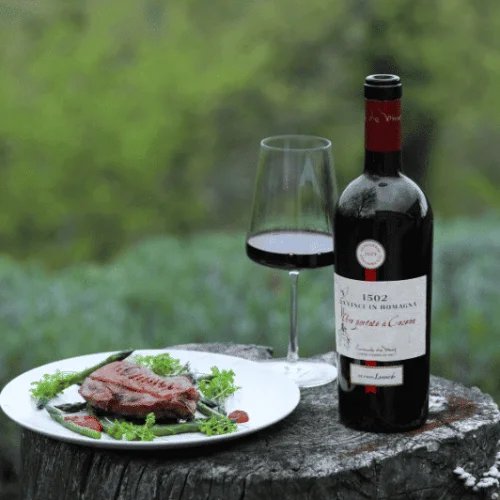
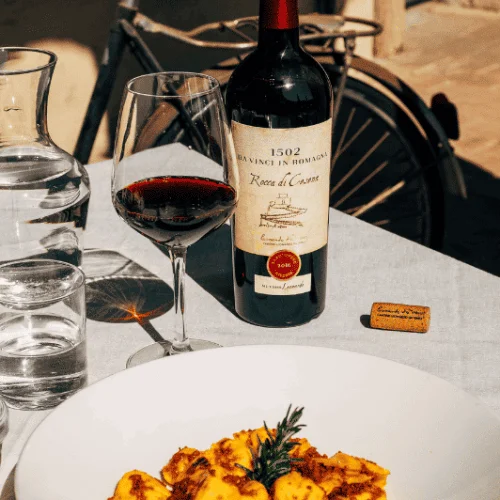
Thinking of Sangiovese from Romagna, amongst the wines of the 1502 da Vinci in Romagna line it is also possible to taste an excellent example of Sangiovese Superiore Riserva Romagna DOC, the “Rocca di Cesena”, and an interesting Appassimento version called “Uve Portate a Cesena”, which highlights the softness of the tannins thanks to ageing in wood, enhancing a riper and more persistent fruit.
Different from the structured red Sangiovese is the Sangiovese Rosato “Portocanale di Cesenatico” from the 1502 Da Vinci in Romagna line, whose winemaking involves brief maceration of a few hours on the skins, to achieve the right dissolving of the pink colour, typical of this wine with fruity and floral aroma, decidedly fresh.