A weekend in Vinci following Leonardo’s footsteps

Weekend a Vinci sulle tracce di Leonardo

How did Leonardo's love of nature and inspiration for his distinctive landscapes emerge? And his passion for wine? The answers lie in Vinci, a village nestled in the Tuscan hills just a few kilometres from Florence, where everything tells an aspect of Leonardo's extraordinary life. Here is what to visit in Vinci.

The village of Vinci

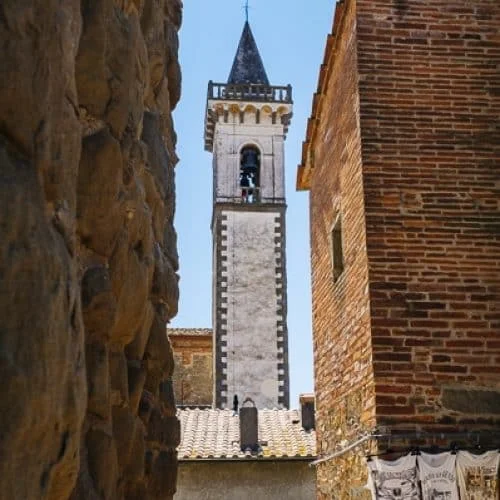
At Vinci, Leonardo is present everywhere and it is easy to imagine the genius spending his childhood in these charming places, suspended in time. The village is completely dedicated to Leonardo, and here one can experience a full historical and artistic immersion into his life and his multifaceted artistic output.

Street art and artist installations

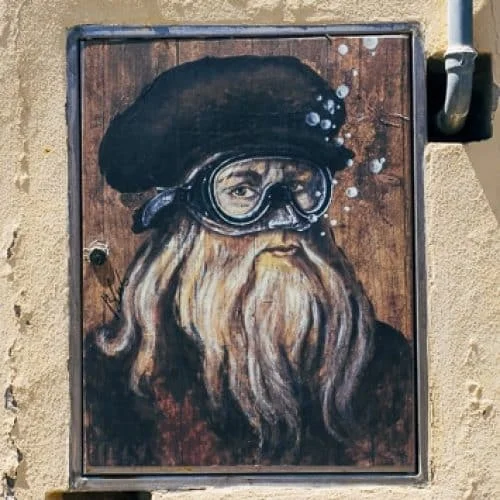
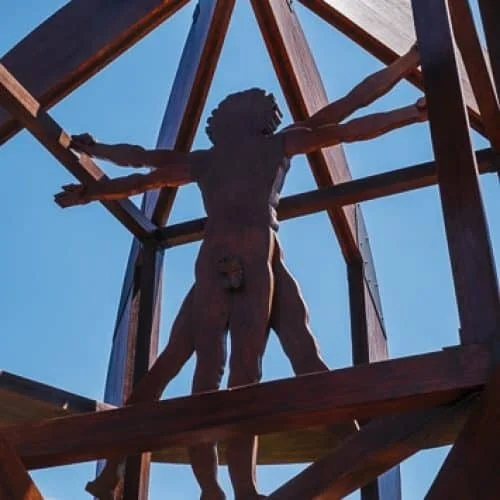
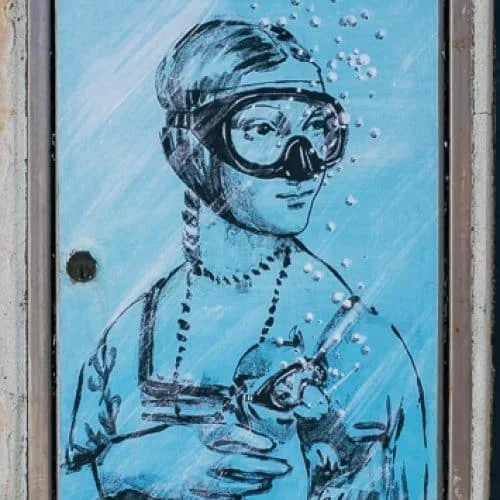
Just a stroll through the village streets transports you into a dimension full of inspiration, art, science and nature. There is much to see in the open air too. To begin with, in Castle Square there is an enormous sculpture by artist Mario Cerioli that reproduces Leonardo’s Vitruvian Man, the most famous drawing in the world, whilst in Liberty Square stands Leonardo’s Horse, a work by artist Nina Akamu, inspired by the equestrian monument – left unfinished – dedicated to Francesco Sforza. That Leonardo is then a pop icon who continues to fascinate even today, 500 years after his death, is demonstrated by Blub’s underwater street art which has placed a snorkel and mask on the Mona Lisa and other works of Leonardo scattered throughout the streets of the town centre.

The Leonardian Museum and Leonardo’s birthplace

Among the things to visit in the village of Vinci is the Leonardian Museum, one of the most complete collections of models of Leonardesque machines and inventions accompanied by the drawings on which Leonardo had conceived and designed them. From war machines and flying machines (that imitate the movement of birds’ wings) to carriages, mechanical clocks and textile machines. A few kilometres from the centre, in the hamlet of Anchiano, is indeed found Leonardo’s Birthplace. Here, a multimedia exhibition tells the story of a more intimate and familiar Leonardo, linked to the territory where he spent his childhood and which determined his outlook and character – both human and artistic.


The countryside of Vinci and the passion for wine

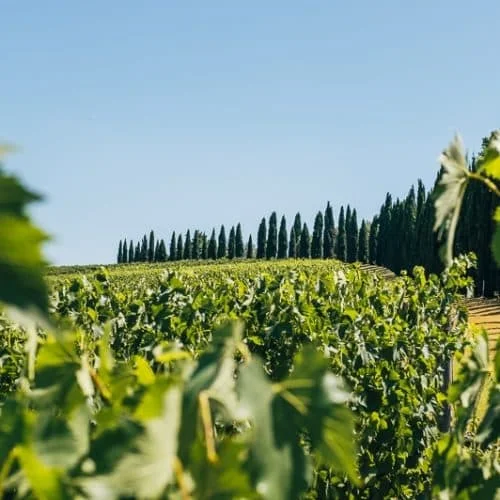
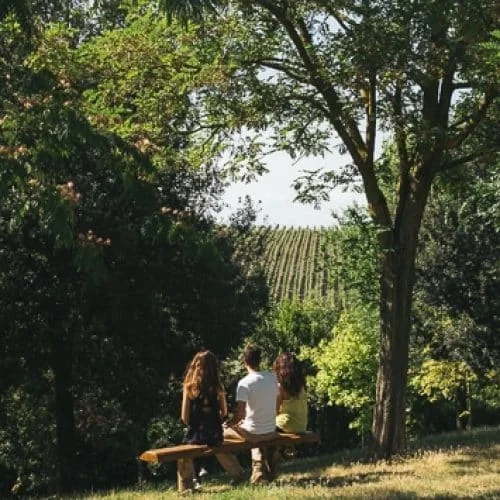
Leonardo has an agricultural soul and his entire life and works are pervaded by a deep and passionate love for nature. The hills of Vinci influence Leonardo's life and painting technique in his rural landscapes. Leonardo walks among the vineyards, breathes the fragrances of the countryside and discovers his passion for viticulture. The familiar, daily and profound relationship that always bound Leonardo to wine derived precisely from being born in a countryside surrounded by vineyards.

Villa da Vinci, Leonardo's landscapes

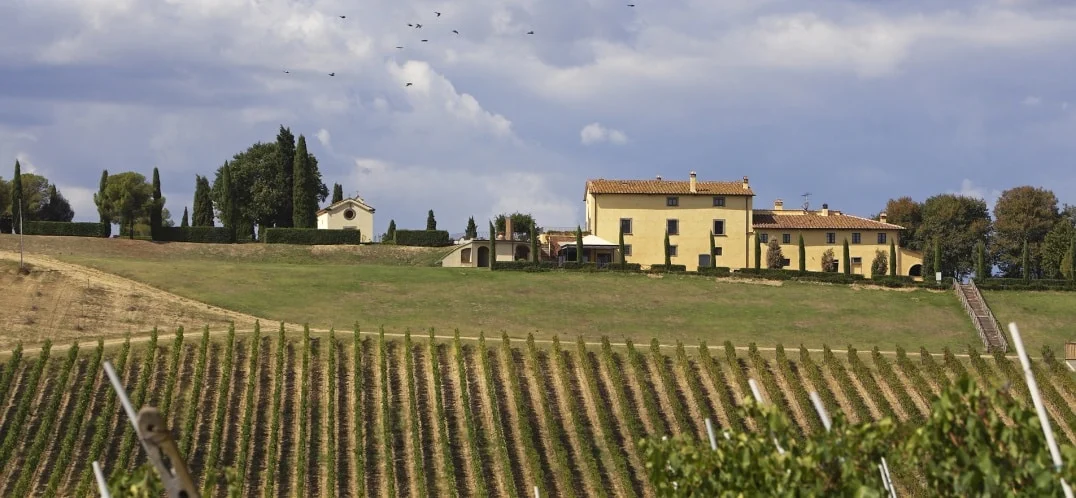
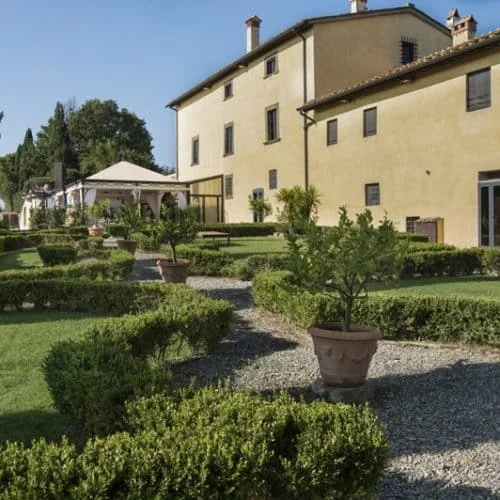
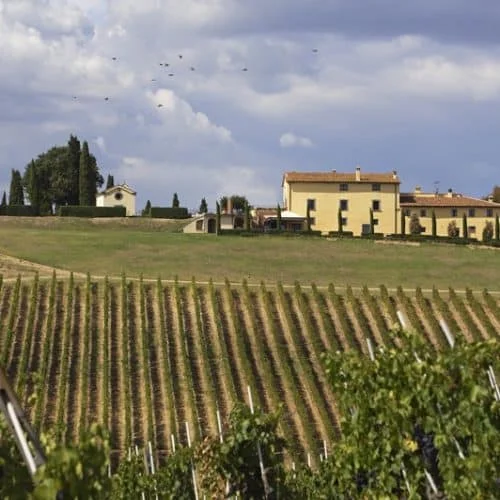
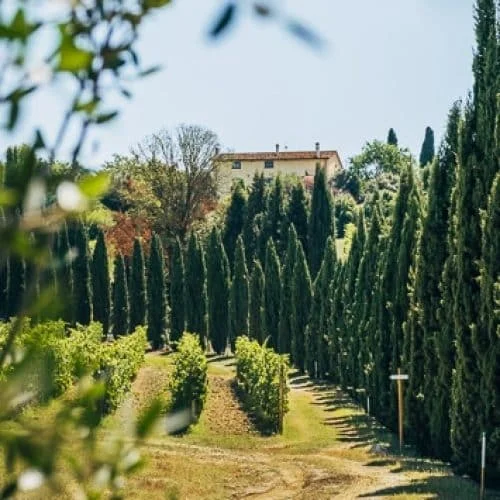
Villa da Vinci is an estate in Tuscany that comprises a medieval village from 1152, surrounded by lush vineyards that belonged to Leonardo's family and which today extend over 75 hectares. And from which the wines of the Villa da Vinci collection are produced. The name of the wines is that – historic, original and ancient – of the lands owned by Leonardo's family in the countryside of Vinci. The Villa is a multifunctional space comprising a historic residence and wine resort and the Museum Leonardo and the Renaissance of Wine.

Museum Leonardo and the Renaissance of Wine

The Museum documents and explores Leonardo’s passion for agriculture and in particular for grape cultivation and wine production, which played an important role in his studies and works. It was precisely at Vinci that Leonardo developed his curiosity for machines used in agriculture: beyond designing tools and pressing equipment, many agricultural and rural references appear in his fables and prophecies, riddles and allegories;
The exhibition pathway of the Museum Leonardo and the Renaissance of Wine in Vinci recounts the role of agriculture in Leonardo’s life and studies through the reproduction of his inventions, numerous archival documents, archaeological references linked to the territory of Vinci and the viticulture of the region.

Ideal walks and special tastings

To walk the paths immersed in the nature that inspired Leonardo in his most famous masterpieces, from the Museum Leonardo and the Renaissance of Wine and through the vineyards and woods surrounding Villa da Vinci, there are trekking routes and walks suitable for all. Three different thematic itineraries unfold in the surroundings, each with a special landscape: the valley, the vineyards and the woods. At the end of each route, it will be possible to taste and buy the wines of Cantine Leonardo da Vinci, inspired by the Tuscan Genius.

Are you 18 years old?

Please verify your age to enter.

No, I am under 18