Cheese is a dairy product obtained from the coagulation of milk (or cream) through the use of salt and enzymes, also called “rennet“ (from the Latin coagulum).
Cheese is a dairy product obtained from the coagulation of milk (or cream) through the use of salt and enzymes, also called “rennet“ (from the Latin coagulum).
When rennet acts, the coagulation process begins, separating the liquid part (the “whey”) from the insoluble protein mass (the so-called “curd”), collected and processed to make cheese.
Depending on the type of production process, ageing, paste type or fat content, various types of cheese are obtained. Let’s identify some, for clarity:
Types of cheese based on ageing:
– fresh cheeses (e.g. squacquerone, stracchino, mozzarella, crescenza, robiola)
– semi-aged cheeses (e.g. Pecorino di Pienza, taleggio, emmental, fontina)
– aged cheeses (e.g. Parmigiano Reggiano, Grana Padano)
Types of cheese based on fat content:
– full-fat cheeses (e.g. camembert, mascarpone, caciocavallo)
– semi-fat cheeses (e.g. stracchino, scamorza, giuncata)
– low-fat cheeses (e.g. ricotta, primosale)
Types of cheese based on paste type:
– blue-veined cheeses, in which moulds (Penicillium) are present forming the characteristic green or blue veins inside the paste (e.g. gorgonzola, roquefort, stilton)
– pasta filata cheeses, in which the curd is heated in boiling water, allowing it to “stretch” and then forming “balls” of varying sizes (mozzarella, burrata, provolone, caciocavallo)
– processed cheeses, for which the curd is melted (e.g. “sliced cheese”)
– pressed paste cheeses, in which the curd is subjected to mechanical pressing to expel the whey contained in it, for medium to long-aged cheeses (e.g. Asiago, Pecorino Sardo, Bitto, Monte Veronese)
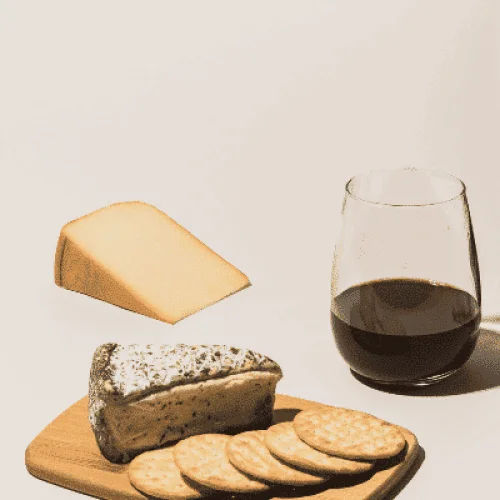
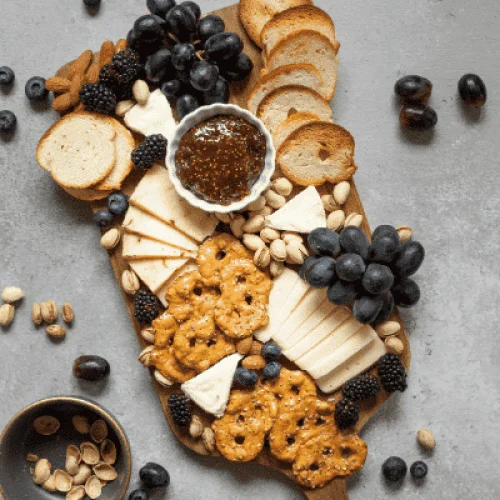
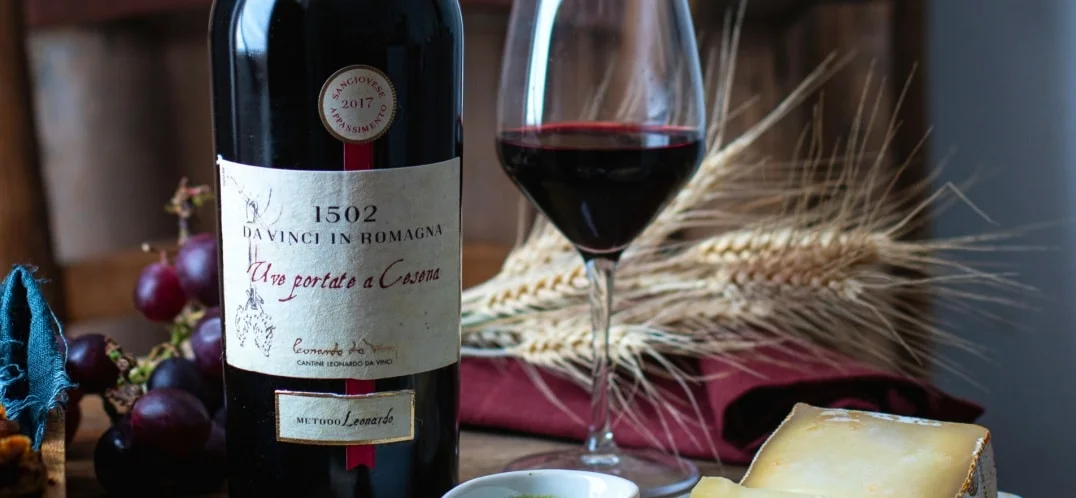
All cheese lovers know that for a perfect cheese tasting, it is wise not to overlook the right wine pairing, whether the cheese is served at the end of a meal or enjoyed as a “main course”. In the first case, you should always continue the tasting journey begun with the meal, choosing a wine whose structure and complexity equal or exceed those of the main course. In the second case, if you’re thinking of a cheese tasting on its own, the wine pairing will certainly be less demanding.
Before choosing a wine for cheese, you need to take into account the characteristics of the cheeses: fattiness, saltiness, spiciness, acidity or sweetness. The “succulence” of the cheese will influence greater or lesser aromatic intensity and greater or lesser aromatic persistence. To get the wine-cheese pairing right, you can proceed following these guidelines:
– with fresh and soft-paste cheeses, we recommend pairing with white wines, considering that the more flavourful the cheese, the more aromatic the wine. Rosé wines are also excellent. In the case of fresh goat cheeses, creamy and succulent, often spreadable, they pair well with soft and fragrant white wines.
– young hard or semi-hard cheeses, such as Pecorino Toscano, are perfect for pairing with both moderately structured white and red wines.
– aged cheeses, from Parmigiano Reggiano to Grana Padano or Castelmagno to name a few, are generally fragrant and flavourful, and so pair well with both full-bodied red wines with a soft, velvety taste, capable of harmonising the tasting.
– if you find blue-veined or white-rind cheeses on your table, you will need to manage a more complex pairing, given the strong aromatic intensity of this type of cheese, whose flavour is more persistent than other types. Consequently, the best wine pairing will be either full-bodied red wines with good softness, or highly aromatic white wines aged in wood, or dessert wines or sweet fortified wines.
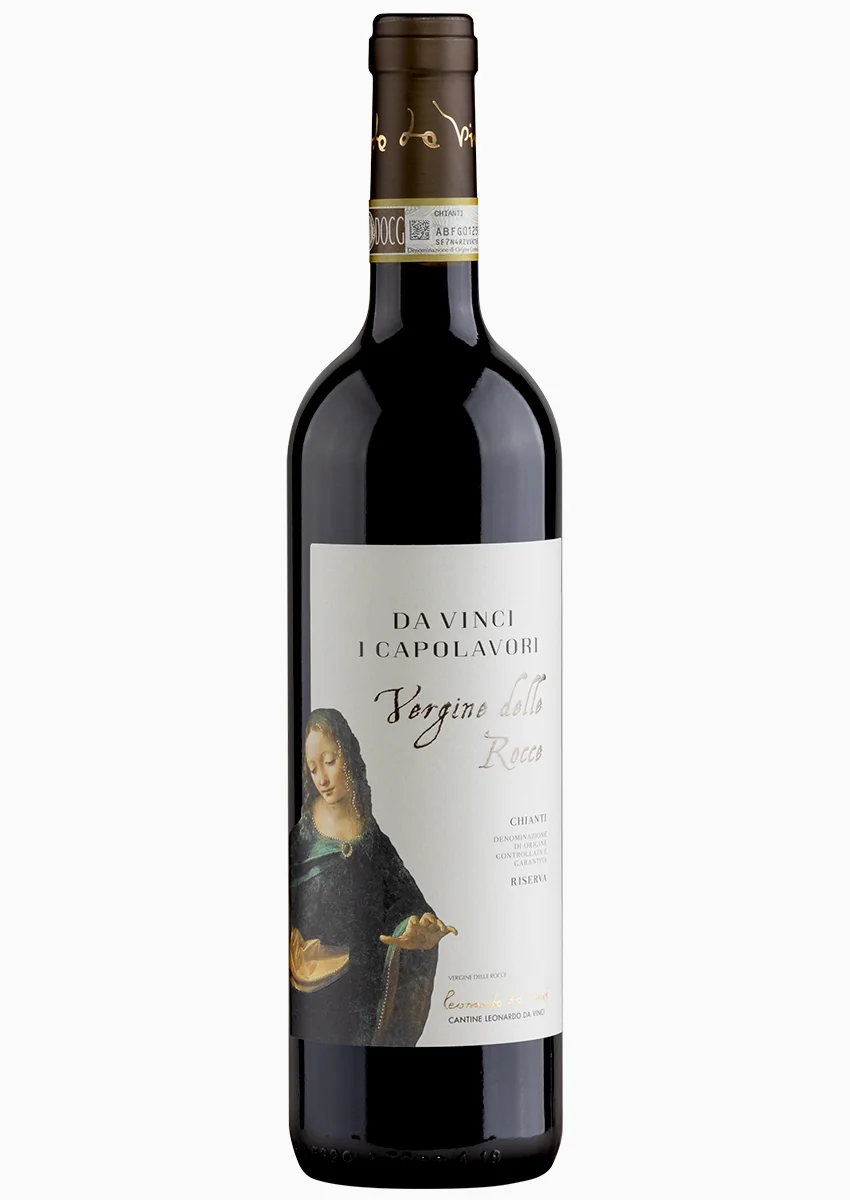
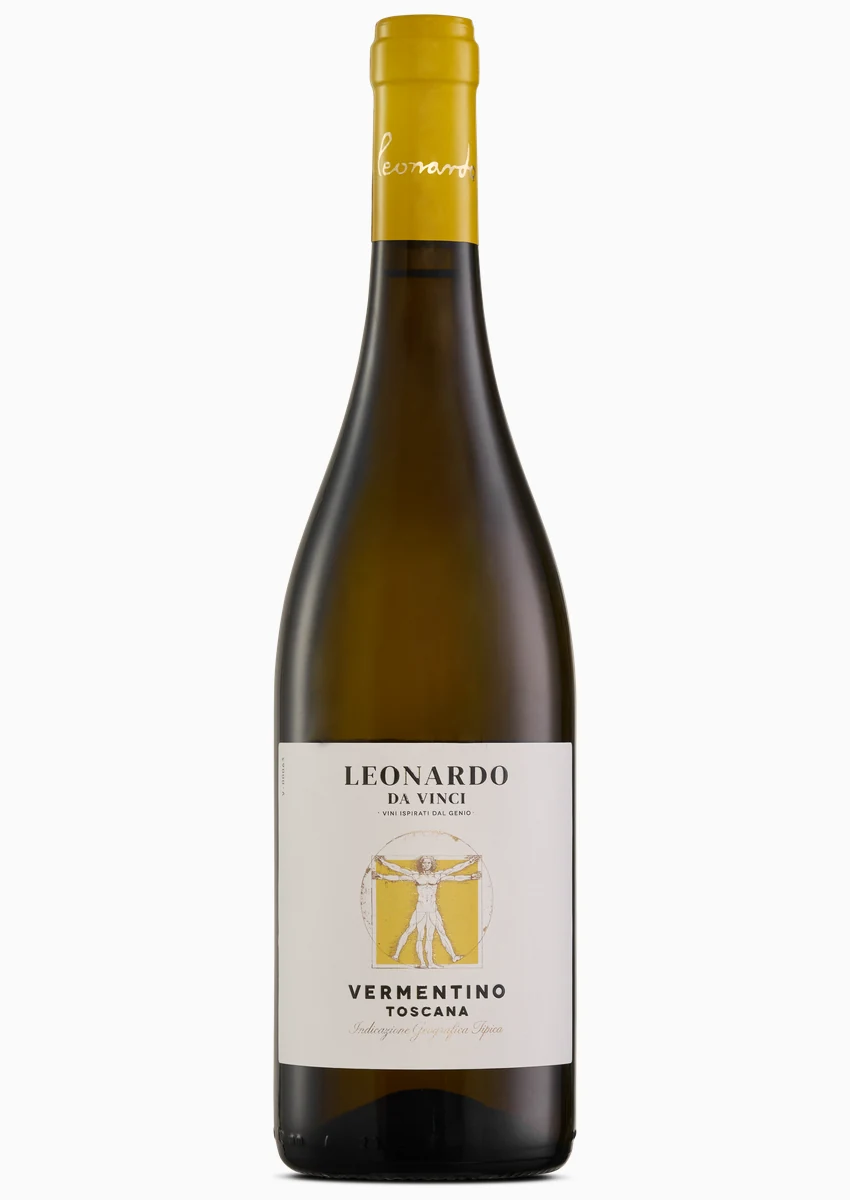
Here are some examples of wine and cheese pairings with the labels of Cantine Leonardo da Vinci:

Wine guide

Food & Wine

Art & Culture

Wine guide

Food & Wine