When we speak of a blend, we mean a very important oenological operation that involves mixing two or more wines to create a single wine.
When we speak of a blend, we mean a very important oenological operation that involves mixing two or more wines to create a single wine.
The word “blend“, therefore, is synonymous with a mix of different grape varieties that make up a single wine.
The art of blending is the result of long experience, as well as an iterative process that combines technical analysis and careful tasting, in order to arrive at what can be defined as the “perfect recipe”.
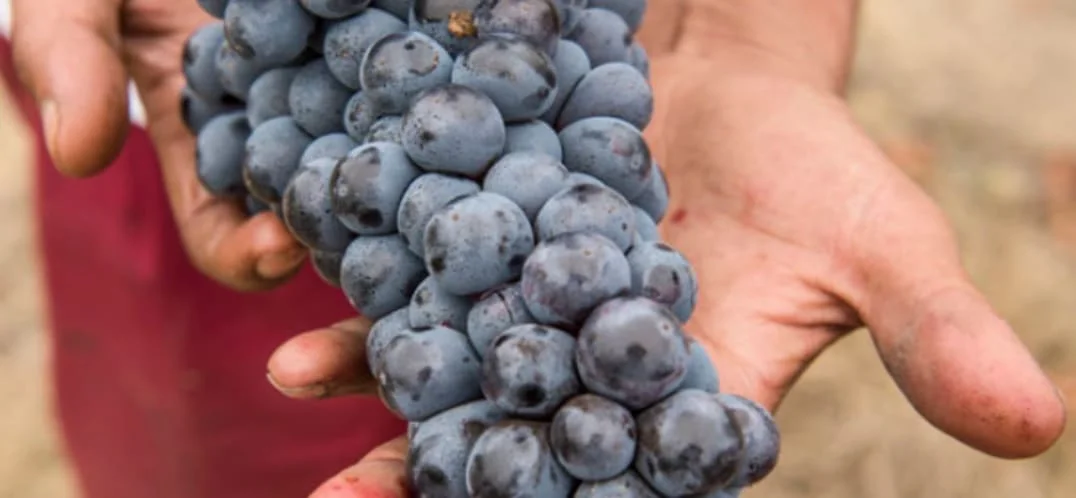
Often winemakers cut wines and create blends so that the final product acquires complexity and maximises the taste-olfactory expression. With the blending of multiple varieties, one can enhance colours, aromas, textures, structure and make a wine more complex or more aromatic if necessary. The objective is to obtain a “better” wine, bringing together the expressive strength of each grape and highlighting the peculiarities of each variety used.
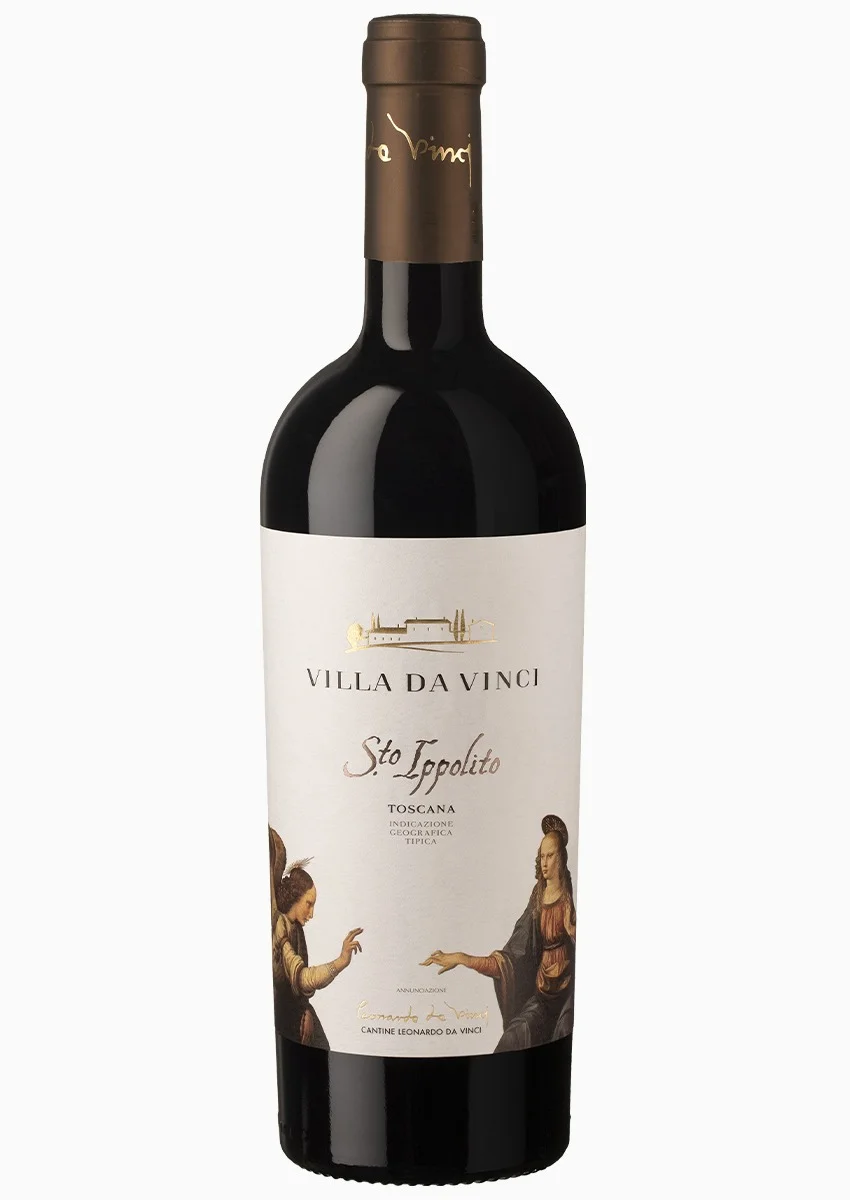
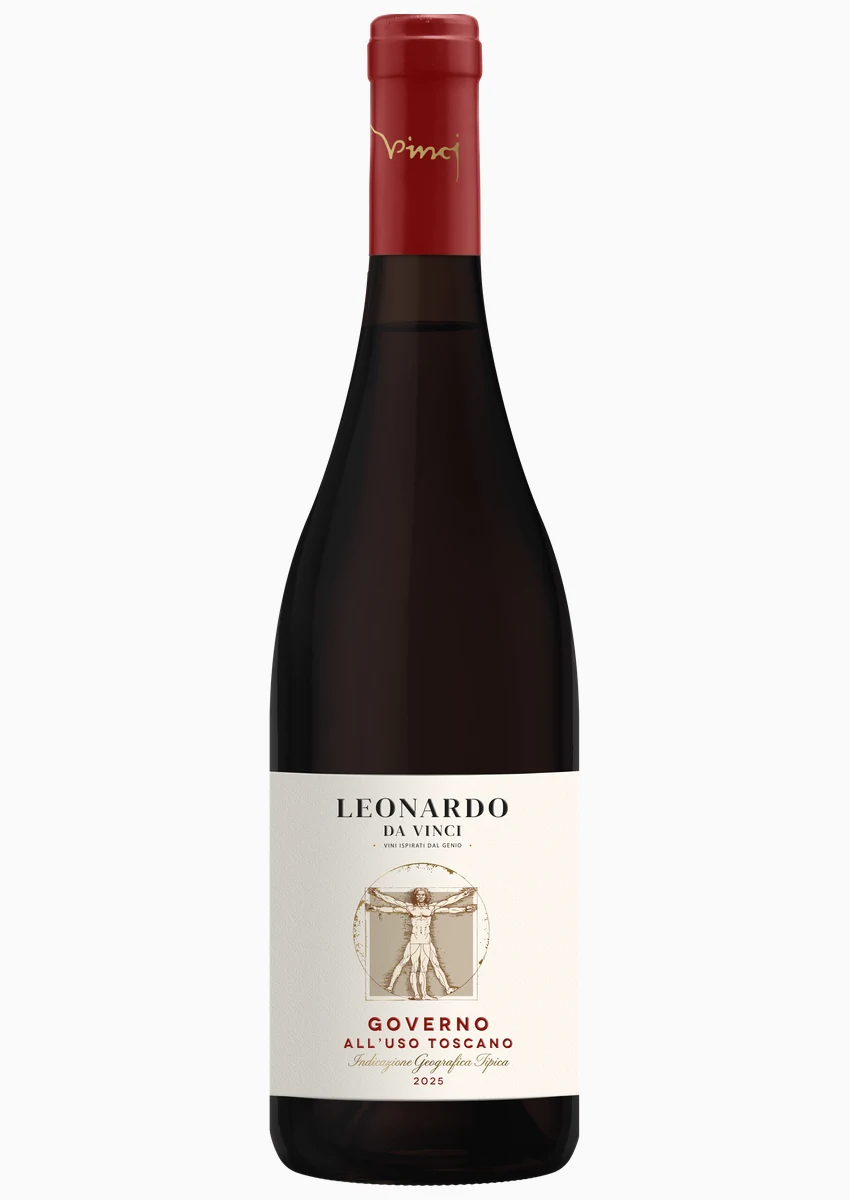
Leonardo da Vinci Cantinas has also created blends that are highly appreciated not only by wine lovers, but also by oenological critics. First and foremost, the S.to Ippolito Toscana Rosso IGT – awarded 99/100 by Luca Maroni in the Annuario dei Migliori Vini Italiani 2020 – the result of the wise blending of Sangiovese grapes 40%, Merlot 30%, Syrah 30%. A red wine with an international soul, which combines the harmony, consistency, balance and aroma of each of its component varieties. More linked to Tuscan wine-making tradition, the Governo all’Uso Toscano from the Leonardo da Vinci collection: a red wine obtained from Sangiovese and Merlot grapes (of which a small percentage dried), first vinified separately and subsequently blended to continue maturing in stainless steel. A full, full-bodied red with a pleasantly elegant finish.
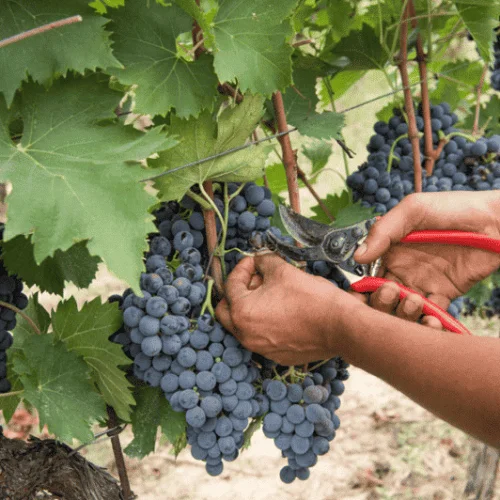
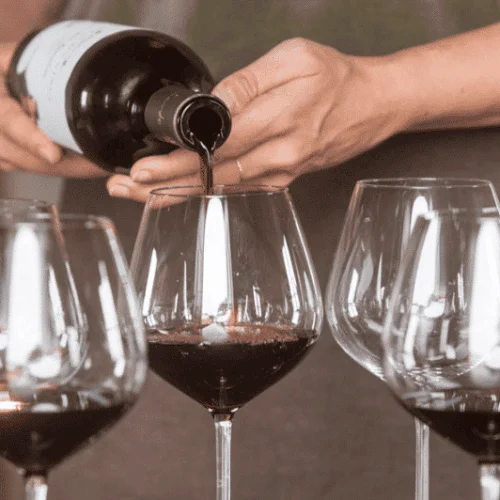
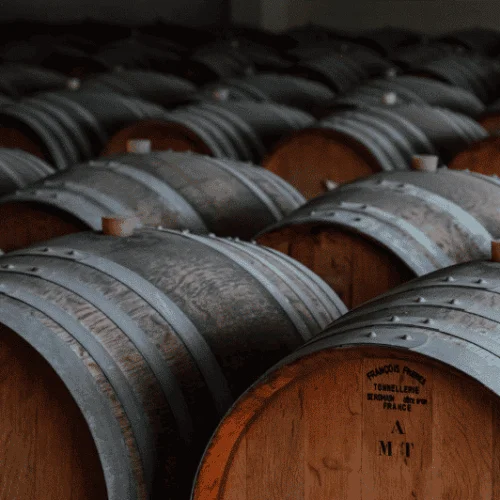
Among the famous Italian blends we recall the revolutionary “Supertuscans”. The term, coined in the 1980s by American wine critic Robert Parker, encompasses all those Tuscan red wines that, in an era still rigidly tied to wine-making tradition, deliberately departed from the production regulations, breaking away from Chianti DOC rules. If this denomination, in fact, provided for the use of only autochthonous varieties of the production area (such as Sangiovese or Canaiolo), in the blending of Supertuscan wines Tuscan producers began to accompany Italian Sangiovese with international varieties such as Merlot, Syrah, Cabernet Sauvignon, Cabernet Franc.
Have you ever heard of Sassicaia? This was the pioneering wine at the end of the 1960s and Marquis Mario Incisa della Rocchetta of Tenuta San Guido was the great pioneer of Supertuscans. Sassicaia is an Italian red wine of French inspiration, if one may say so, and perhaps the most successful example of an Italian blend inspired by the French blend called “Bordeaux blend”, which in this wine provides for the use of Cabernet Sauvignon (approximately 80%) and Cabernet Franc (approximately 20%) grapes.
Following Sassicaia, many other blending experiments are carried out in Tuscany. How could we not mention the celebrated labels signed by Antinori, today known throughout the world: Tignanello which blends Cabernet Sauvignon with Sangiovese; Solaia, which uses Cabernet Sauvignon, Merlot, Cabernet Franc and Petit Verdot.

Wine guide

Food & Wine

Art & Culture

Wine guide

Food & Wine