The Withering Technique in Winemaking

La tecnica dell'appassimento di un vino

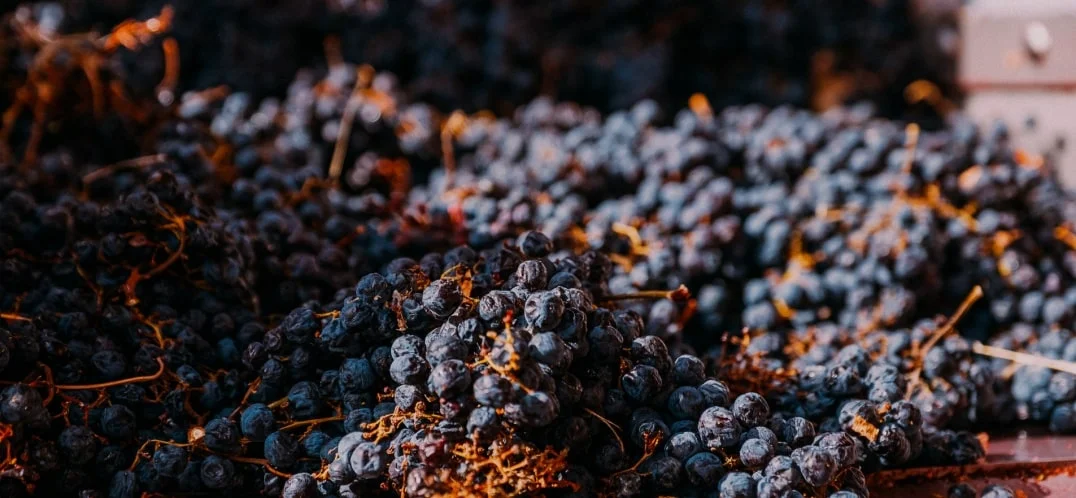
The drying of grapes is a very ancient practice, probably preceding Greek civilisation, which was already used at that time for the preservation of grapes and, subsequently, wine, thus obtaining sweet wines.
Leonardo da Vinci also had the opportunity to witness this ancient oenological technique during his journey to Romagna in 1502.

A drawing recovered from his travel journals proves this, in which the genius depicts a grape-hanging system used in Romagna that enabled cluster drying. An extremely precious drawing, since it is the only sketch representing a grape cluster drawn by Leonardo da Vinci that has survived intact to our time.

How Does Grape Withering Work?

The word “withering” in itself suggests the meaning of this winemaking technique: a reduction or elimination of water present in the grape berry. Grapes subjected to withering undergo dehydration either on the vine or naturally.

The withering process should not be confused with the vinification process: the vinification of a passito wine is the same as that of a normal wine, with the sole difference that the grapes are subjected to withering before being vinified.

WITHERING ON THE VINE
In withering on the vine, the grapes are left to over-ripen on the vine, so the harvest of grapes suitable for this type of withering is delayed compared to usual, thus obtaining a “late harvest” (a term often also shown on the label). Examples include Passito di Pantelleria DOC and Moscato di Scanzo DOCG.

NATURAL WITHERING
Natural withering, on the other hand, involves slow dehydration of the berries after harvest. The grapes are laid out and left to wither in air naturally; in the South the natural sun is exploited, whilst in the more northern regions of Italy, covered and weather-protected areas are used, arranging the grapes on gratings, crates or hanging them directly. The celebrated Amarone della Valpolicella DOCG is a valid example.


Why Is the Withering Technique Chosen?

Because of water evaporation, withering causes the grape to lose part of its original weight, so over-ripening of the berries allows greater concentration of sugars. In this way, so-called “passito” wines develop a broad complexity of aromas, colours and taste elements and are usually characterised by a pronounced alcohol content and a residual sugar level that is more or less high.

Uve Portate a Cesena Sangiovese Withering

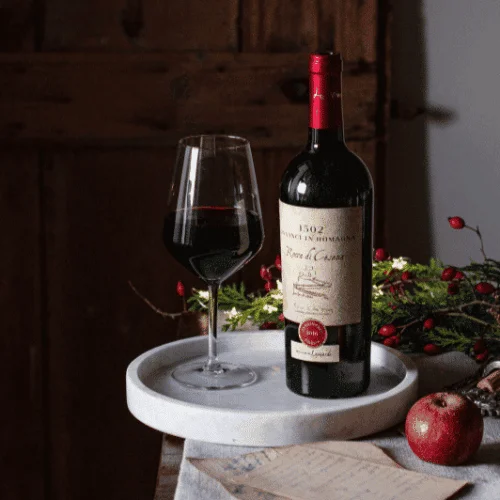
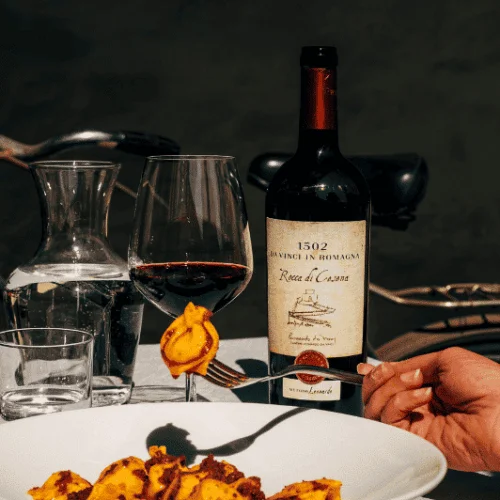
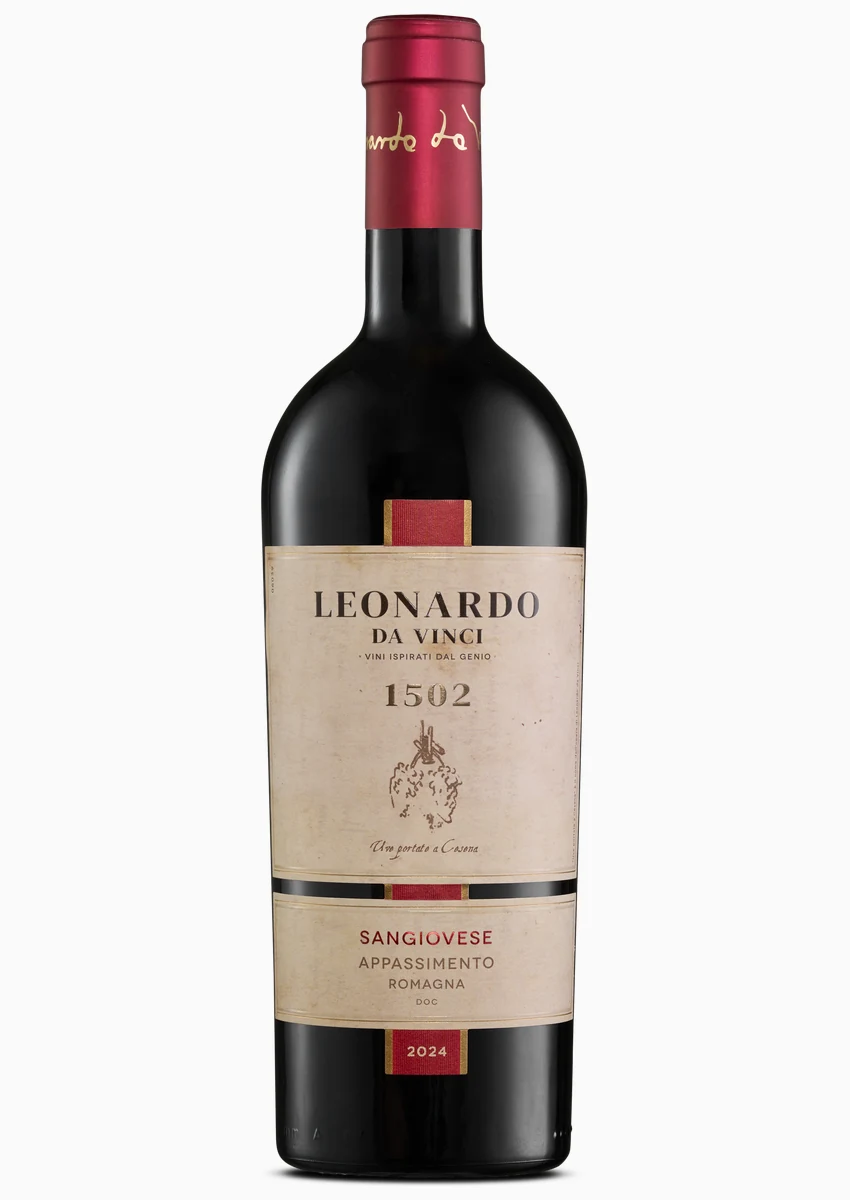
Following tradition and mindful of Leonardo’s drawing, Cantine Leonardo da Vinci has also adopted the withering technique for one of its labels: the Sangiovese Withering Romagna DOC “Uve Portate a Cesena” wine. A red Romagna wine obtained from 100% Sangiovese grapes, cultivated in the hilly areas of Castrocaro Terme, Predappio and Bertinoro. After harvest, the grapes are subjected to withering with careful control of temperature, humidity, ventilation and constant monitoring of weight loss. This is followed by fermentation at a controlled temperature of 26°C with inoculation of selected yeasts. The wine is then aged in French and American oak barrels for approximately 10–12 months.

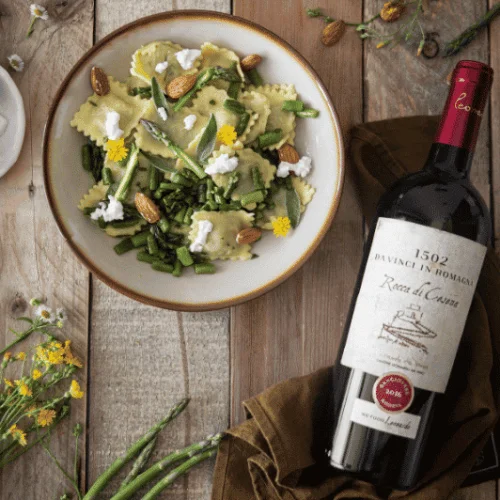
The Sangiovese Withering “Uve Portate a Cesena” presents itself with a deep ruby red colour. From the outset, striking sensations of ripe fruit come through, given by the withering, which gradually turn pleasantly into a sweet vanilla scent, then conclude with mature spicy notes and hints of tobacco. On the palate, the acidity of this wine combines perfectly with good soft tannins given by ageing in wood. On the finish, the ripe fruit ensures persistence on tasting. Try this red Romagna wine paired with grilled meat with roast potatoes.

Are you 18 years old?

Please verify your age to enter.

No, I am under 18