Romagna wines: characteristics and peculiarities

Vini romagnoli: caratteristiche e particolarità

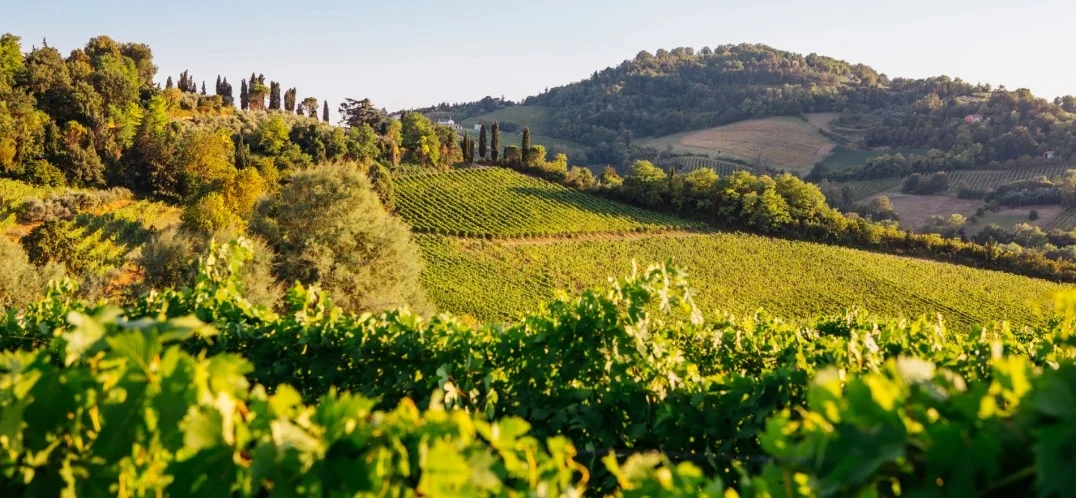
Romagna is a region defined by sentimental rather than administrative boundaries: what separates it from Emilia are traditions, dialect, history, the nature of its inhabitants and certainly gastronomy and wine. Uniting it, that hyphen that represents a hardworking, welcoming, creative region that boasts oenological and gastronomic excellences famous throughout the world.

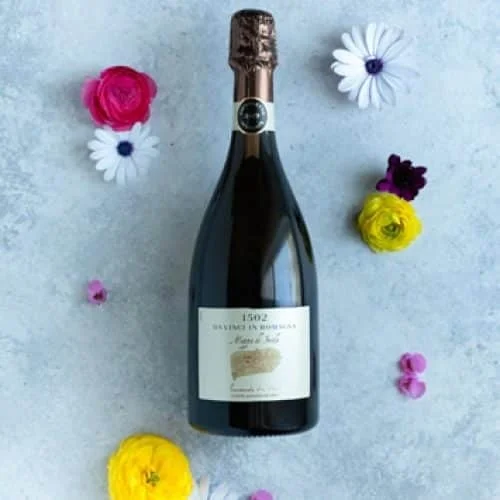
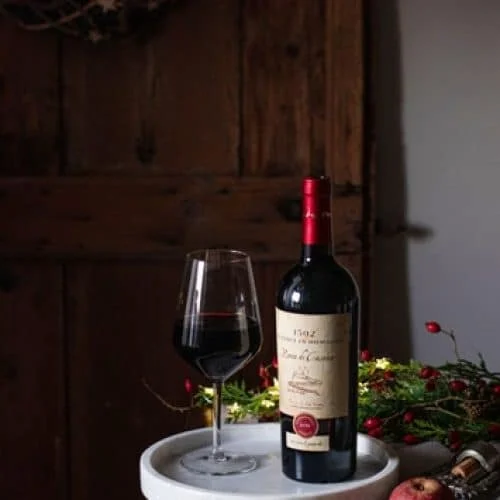
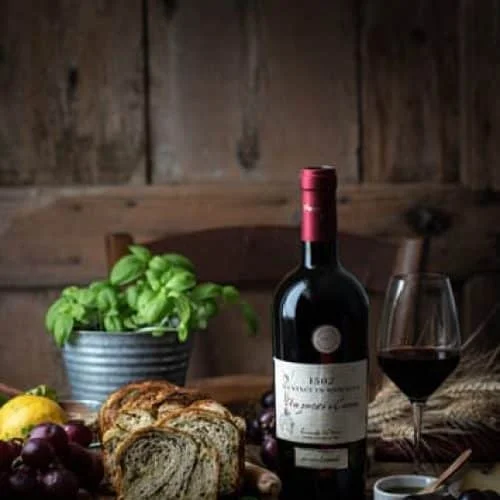
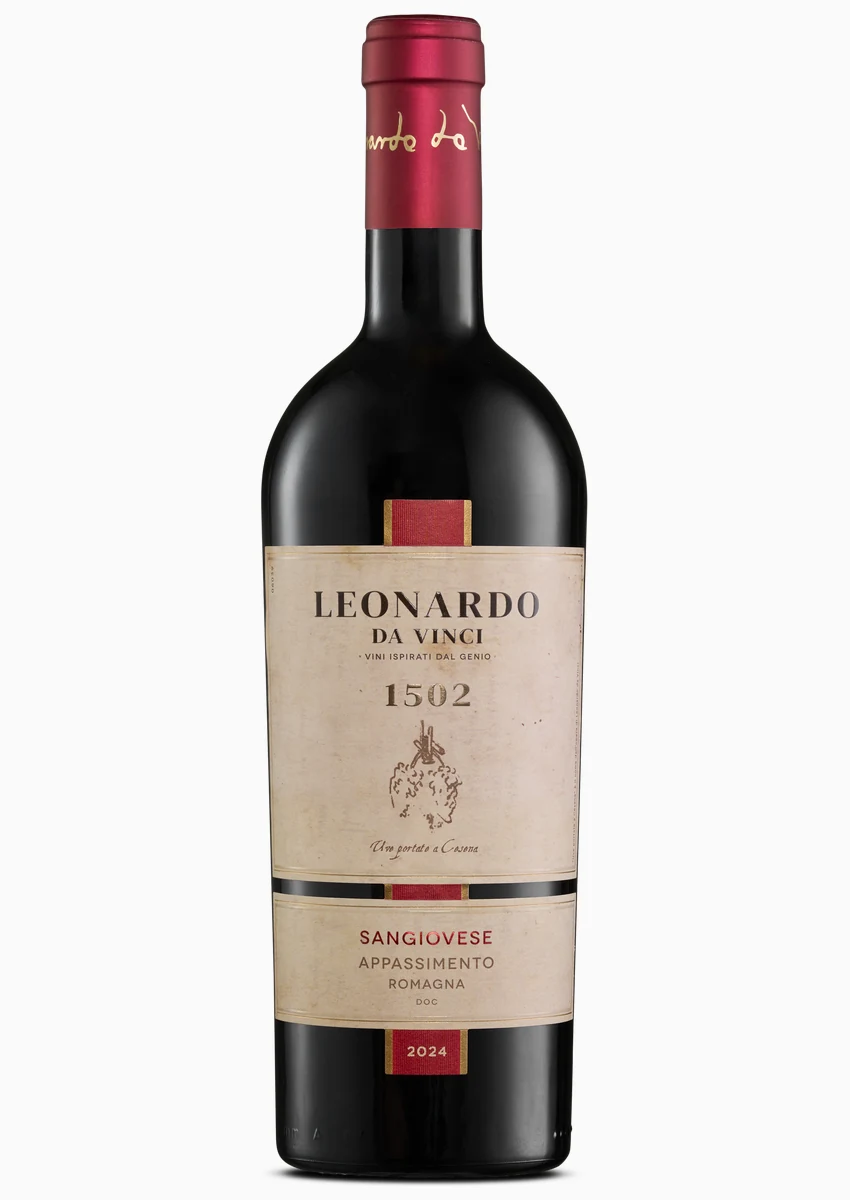
Romagna viticulture is a very ancient practice, and the territory – encompassed between the Adriatic Sea and the Tuscan-Romagna Apennines – has always lent itself to vine cultivation. Leonardo da Vinci also took notice of this, as during his journey to Romagna in the summer of 1502, he noted in one of his notebooks the “Grapes brought to Cesena”, that is, a drawing that reproduced the special method of hanging grapes that had particularly struck him, highlighting the ingenuity of the Romagnols. From this comes the Sangiovese Appassimento “Grapes brought to Cesena” from our 1502 Da Vinci in Romagna collection.

The denominations of Romagna

The peculiarities of the terrain and the agronomic aptitude of this portion of the region have given rise to a series of typical Romagna wines with precise characteristics and marked identity. The best Romagna wines are those protected by the Romagna Wine Consortium, which in 2011 approved the “Romagna” production regulations that bring together all the denominations. The DOC Romagna comprises the five production regulations for Sangiovese, Trebbiano, Cagnina, Pagadebit and Romagna Albana Sparkling. To these are added the Romagna Albana DOCG and the DOC Colli di Faenza.

Romagna red wines

The king of Romagna red wines is certainly Sangiovese, the most typical wine of Romagna whose grapes come exclusively from the Sangiovese grape variety, the most widespread at the national level. Alongside widespread wines such as Sangiovese, in Romagna there are small productions recovered from fascinating oenological stories, such as Bursôn or Centesimino, both autochthonous varieties that are produced in circumscribed areas of Romagna.

Romagna white wines

Among Romagna white wines, Albana is certainly the most representative, and moreover it was the first Italian white wine to obtain DOCG status in 1987. It is a grape variety of ancient origins, cultivated in Romagna since Roman times. Until a few years ago, Albana was vinified as a sweet wine, but today it gives rise to various wine versions: dry, off-dry, sweet, passito and sparkling. Other very widespread white wines are Trebbiano and Pagadebit, which owes its name (in Romagna dialect, meaning “pays the debts”) to the fact that it is very fertile and productive, so farmers were able to profit from it by settling every debt incurred.

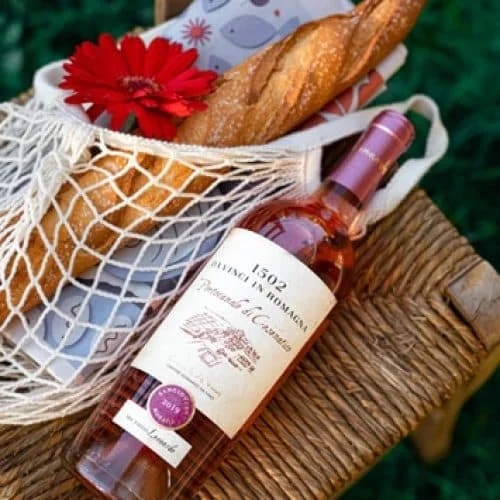
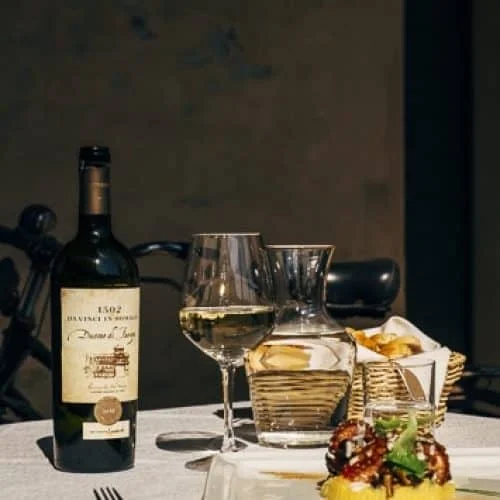
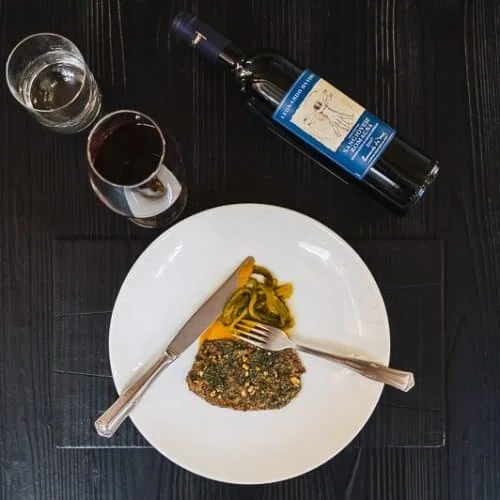
What grows together goes well together and, consequently, Romagna wines pair perfectly with the local cuisine and the typical products of this land full of biodiversity and diverse territories rich with charm.


Are you 18 years old?

Please verify your age to enter.

No, I am under 18