We do not meet to drink and eat,' said Plutarch, 'but to drink and eat together, precisely to emphasise how important the concept of conviviality is amongst human beings in their relationship with food and drink.
We do not meet to drink and eat,' said Plutarch, 'but to drink and eat together, precisely to emphasise how important the concept of conviviality is amongst human beings in their relationship with food and drink.
Conviviality presupposes sharing and necessarily also the desire for exchange and dialogue. For this reason, a series of specific terminologies have been devised to describe, discuss and recommend a wine. Among these words now unequivocally assumed in wine jargon is “dry”.
A wine is defined as “dry” in which the grape sugars have been completely transformed into alcohol – or are present in minimal traces, or in any case are not perceptible to taste – during fermentation. In practice, dry wine is the wine that does not make its sweetness felt on the palate (or rather, on the tip of the tongue, where the sweet taste receptors are located). Dry wines can be white (whether produced from white or red grape vinification), rosé or also red.
Usually, when faced with the choice of a bottle, you will be asked the question “dry or sweet wine?” Or “dry or fruity wine?” This is because the choice is a watershed between two different categories, and also different occasions of consumption.
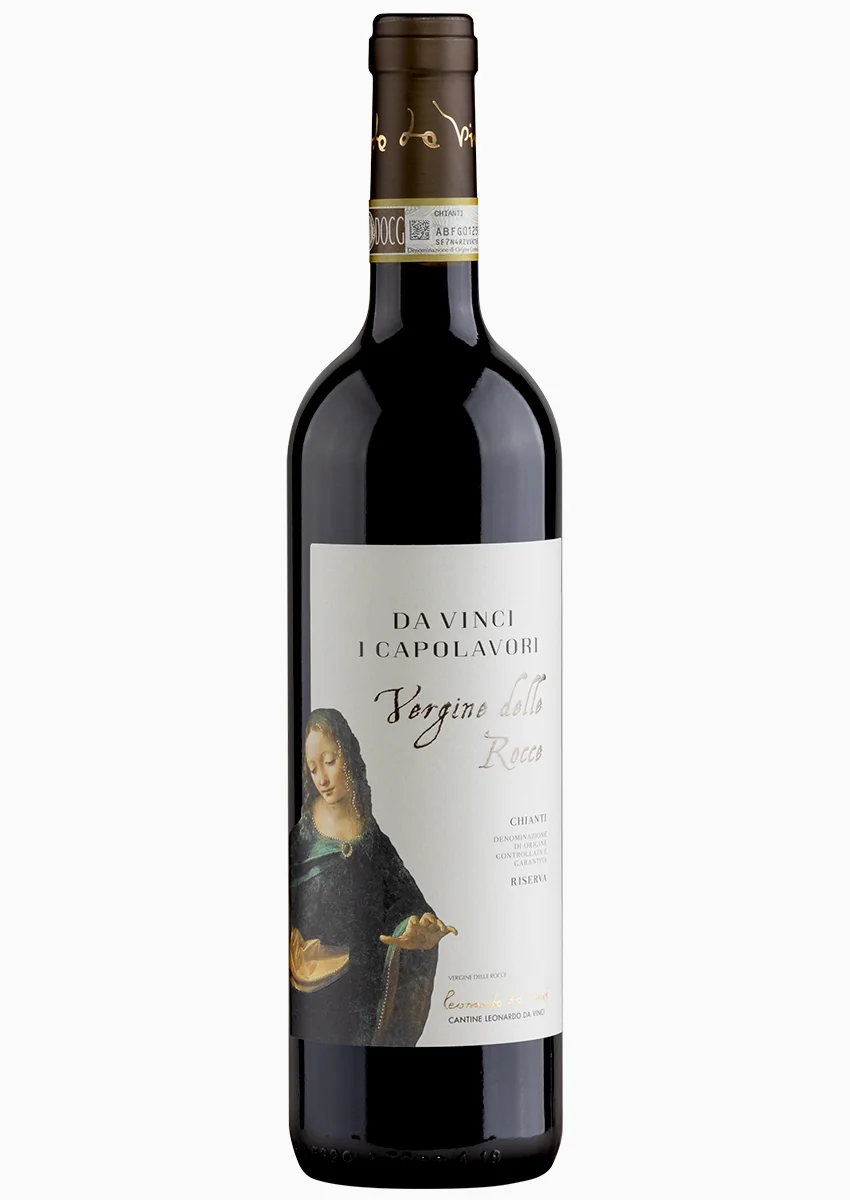
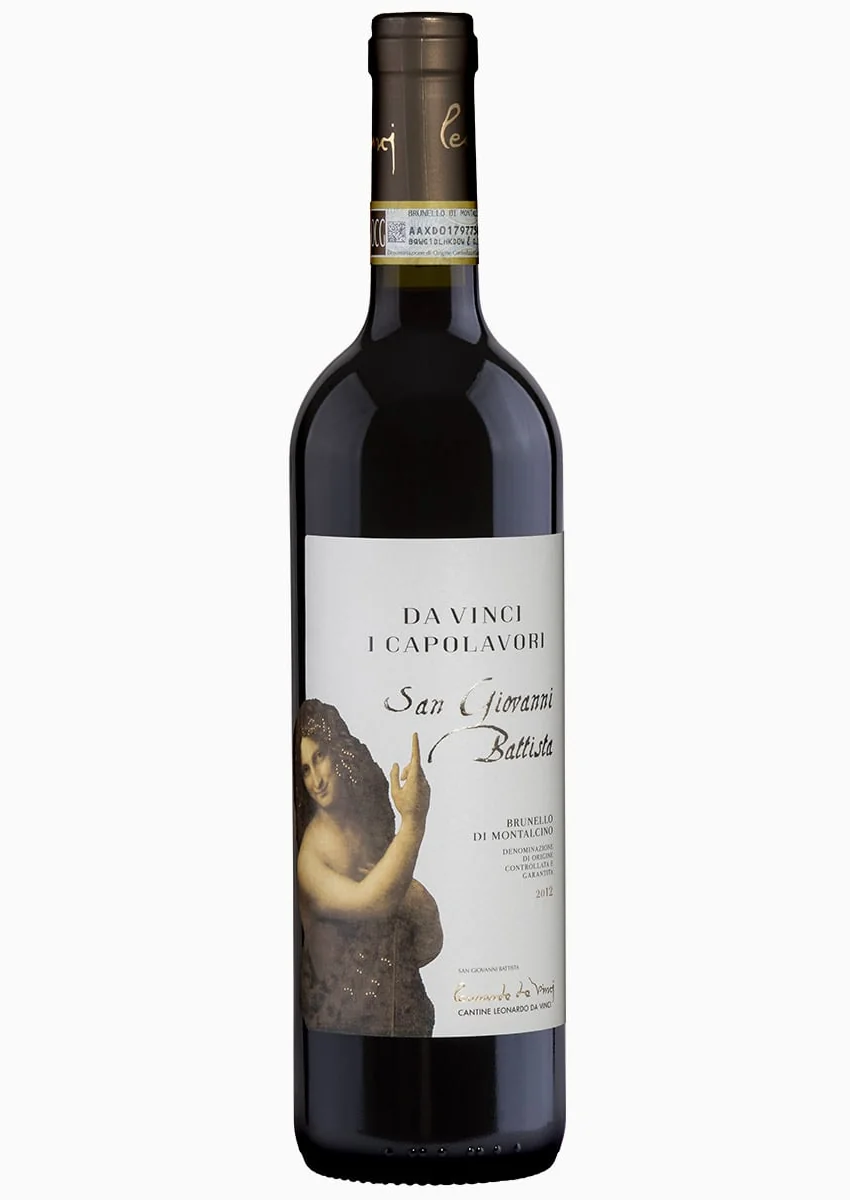
It is not always easy, however, to perceive great full-bodied red wines as dry, because often their facets and their aromatic charge confuse the exact perception, as does ageing. However, wines such as Chianti or Brunello are dry wines, that is without sugar residues. They are unequivocally dry wines, for example, Chianti Riserva and Brunello di Montalcino from the Leonardo da Vinci collection, or the younger Chianti and Rosso di Montalcino from the I Capolavori collection.
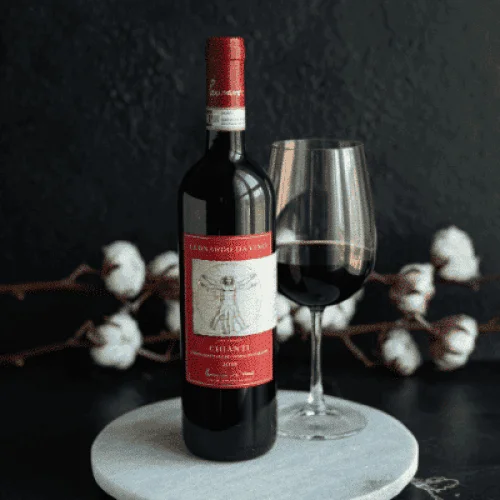
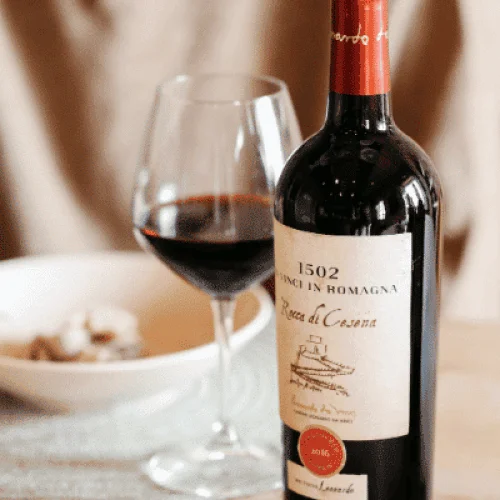
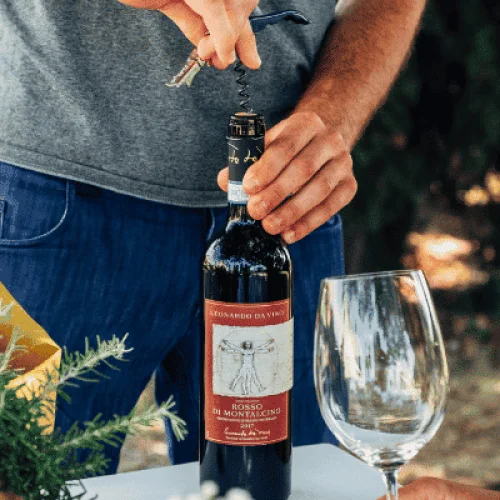
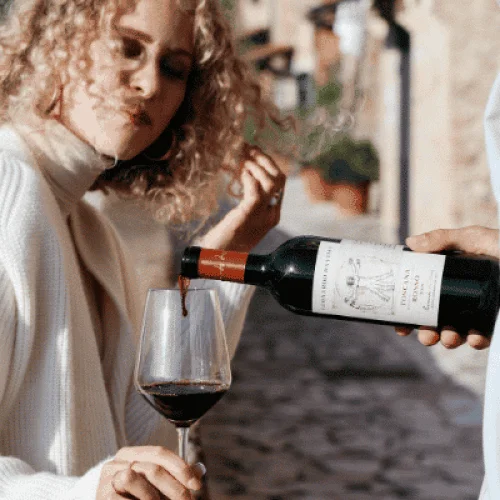
The great dry reds from Cantine Leonardo da Vinci pair perfectly with meat dishes, both red meat and game, prepared with stocks and elaborate sauces.
The choice of wine is a matter of tastes, but also of moments. Speaking of pairings, it should be remembered that “scholastically” one proceeds with pairing by concordance when considering the sweetness of a wine. In practice: a sweet wine is paired with a sweet dish, a dry wine with a savoury dish. It goes without saying that dry wines lend themselves to many variables of savoury pairing, but are much more difficult to pair by contrast with sweets and desserts.

Wine guide

Food & Wine

Art & Culture

Wine guide

Food & Wine