Leonardo
Wine Lover
Leonardo and wine: a story to rediscover
Leonardo the scientist, philosopher, architect. Leonardo the painter, sculptor, draughtsman. Leonardo the writer, mathematician, musician.
Five centuries on, his figure continues to astonish and reveal new nuances. Today we want to shed light on his most intimate and everyday side, perhaps the least known: his love for good wine and for the pleasure of sitting down at the table. Welcome to the world of Leonardo Wine Lover.
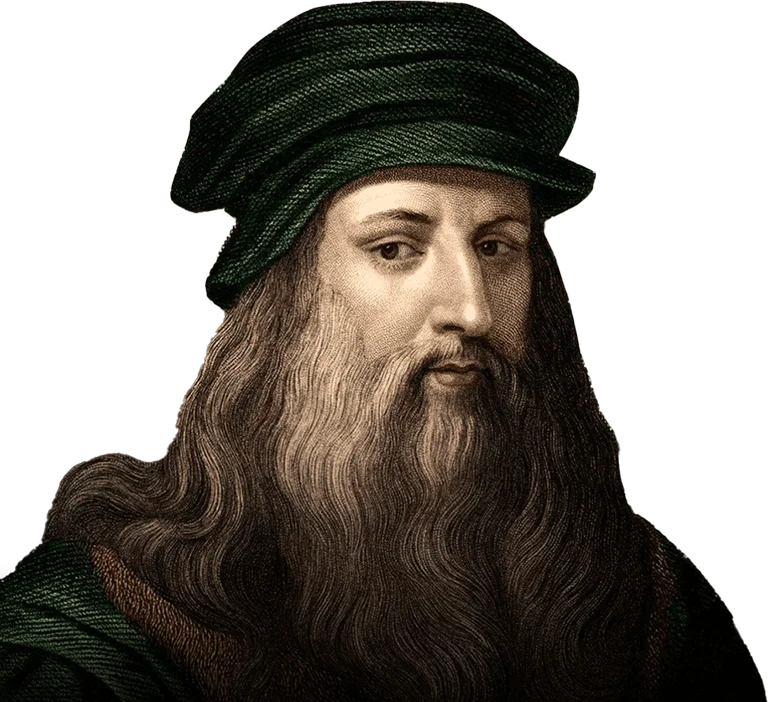
The origins in Vinci
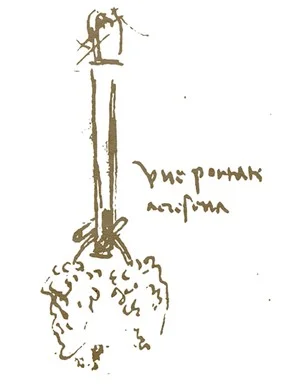
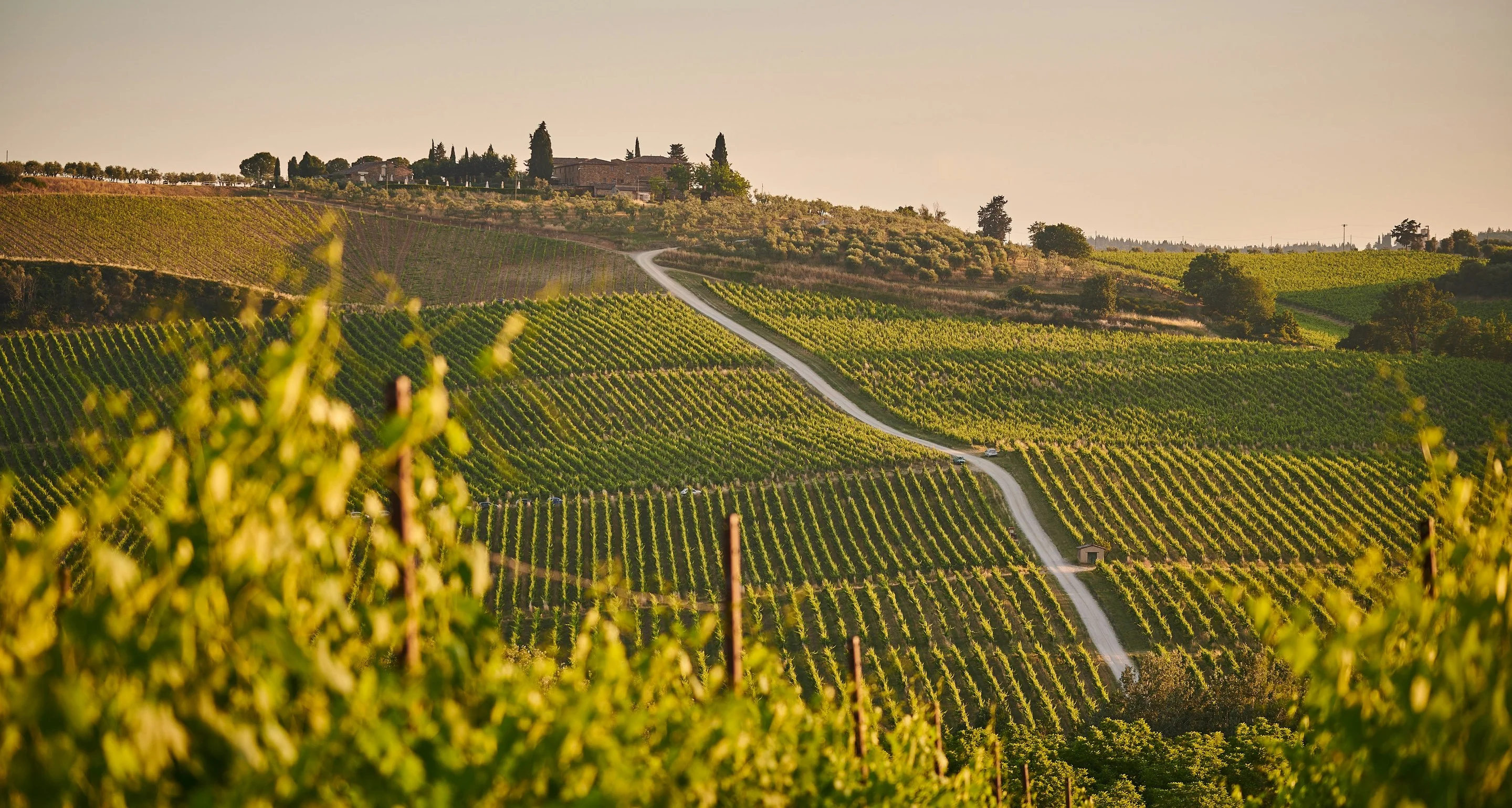
In Vinci, among vines and Tuscan landscapes, Leonardo discovered nature and viticulture from a young age. It is here that a passion for wine was born, one that stayed with him all his life and that we find in his codices and writings.
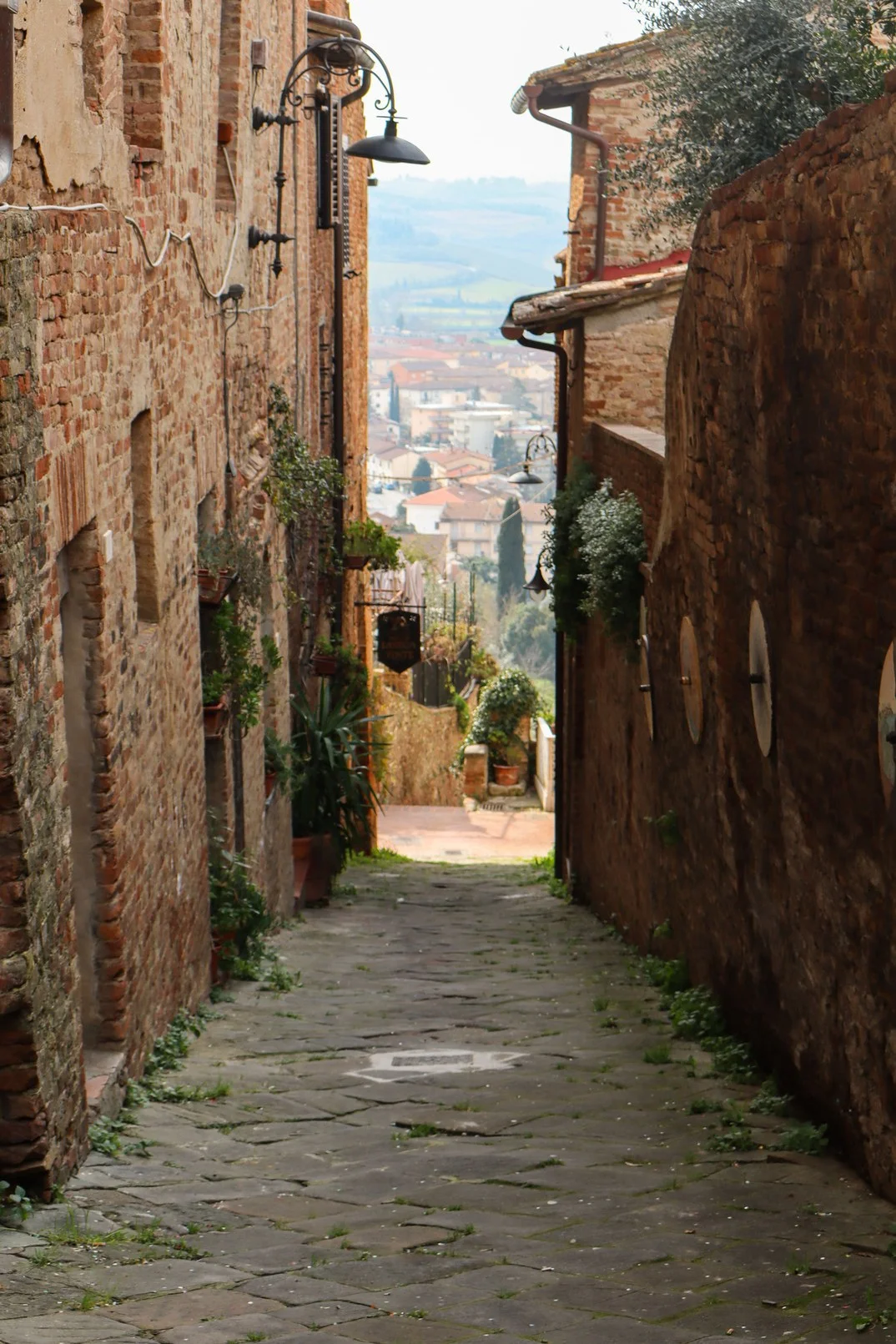
Wine along his journey
From Vinci to Milan, by way of Romagna, Leonardo encountered different territories, vineyards and traditions. Wine accompanied his human and professional journey, becoming part of that observation of nature that characterises his entire method.
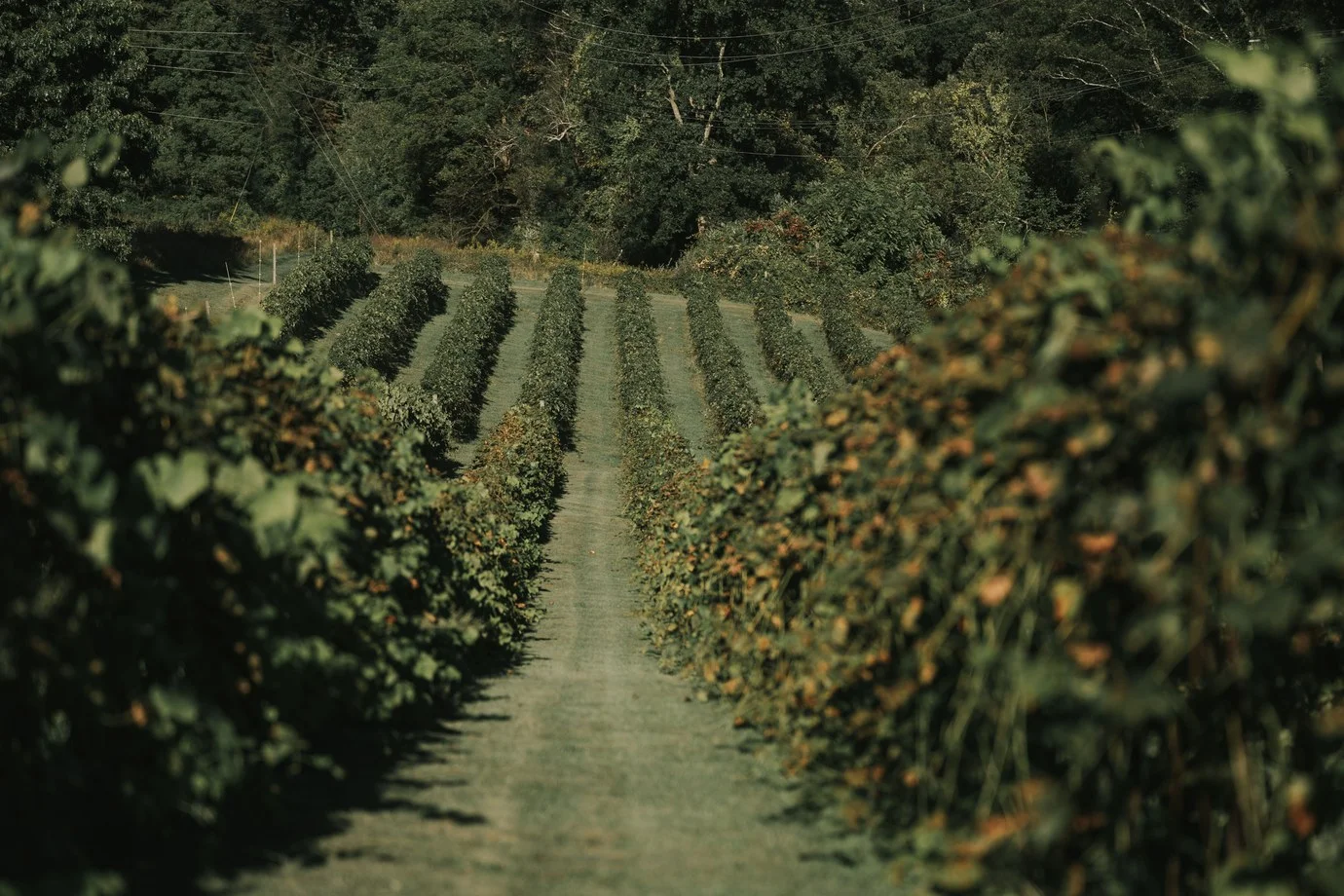
in our memory
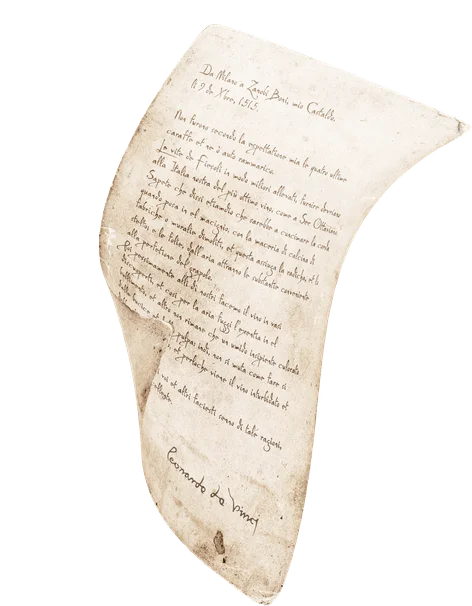
The letter to the steward
In 1515 Leonardo entrusted to a letter addressed to his steward some observations on viticulture and wine production. Instructions then innovative, founded on the quality of grapes, on respect for nature and on winemaking practices capable of preventing defects and improving the final result.
From Milan to Zanobi Boni, my steward.
the 9th of December, 1515.
The last four carafes were not as I had hoped, and this has caused me great displeasure. The vines of Fiesoli, if properly cultivated, should furnish our Italy with the finest wine, as they do for Ser Ottaviano.
You know well that I have long said one must prepare the bed with broken lime and mortar from demolished buildings, for this dries both root and stem;
and the leaves will draw from the air the substances necessary to perfect the grape cluster.
Yet most regrettably in these times we make wine in open vessels, and thus the essential elements escape in the fermentation, leaving only a dull, tasteless liquid coloured by skins and pulp: and then, it is not transferred as it should be, from one vessel to another, and thus the wine becomes cloudy and heavy in the belly.
If you and others would but exercise such wisdom in these matters, we should have excellent wine.
M.N.D. bless you
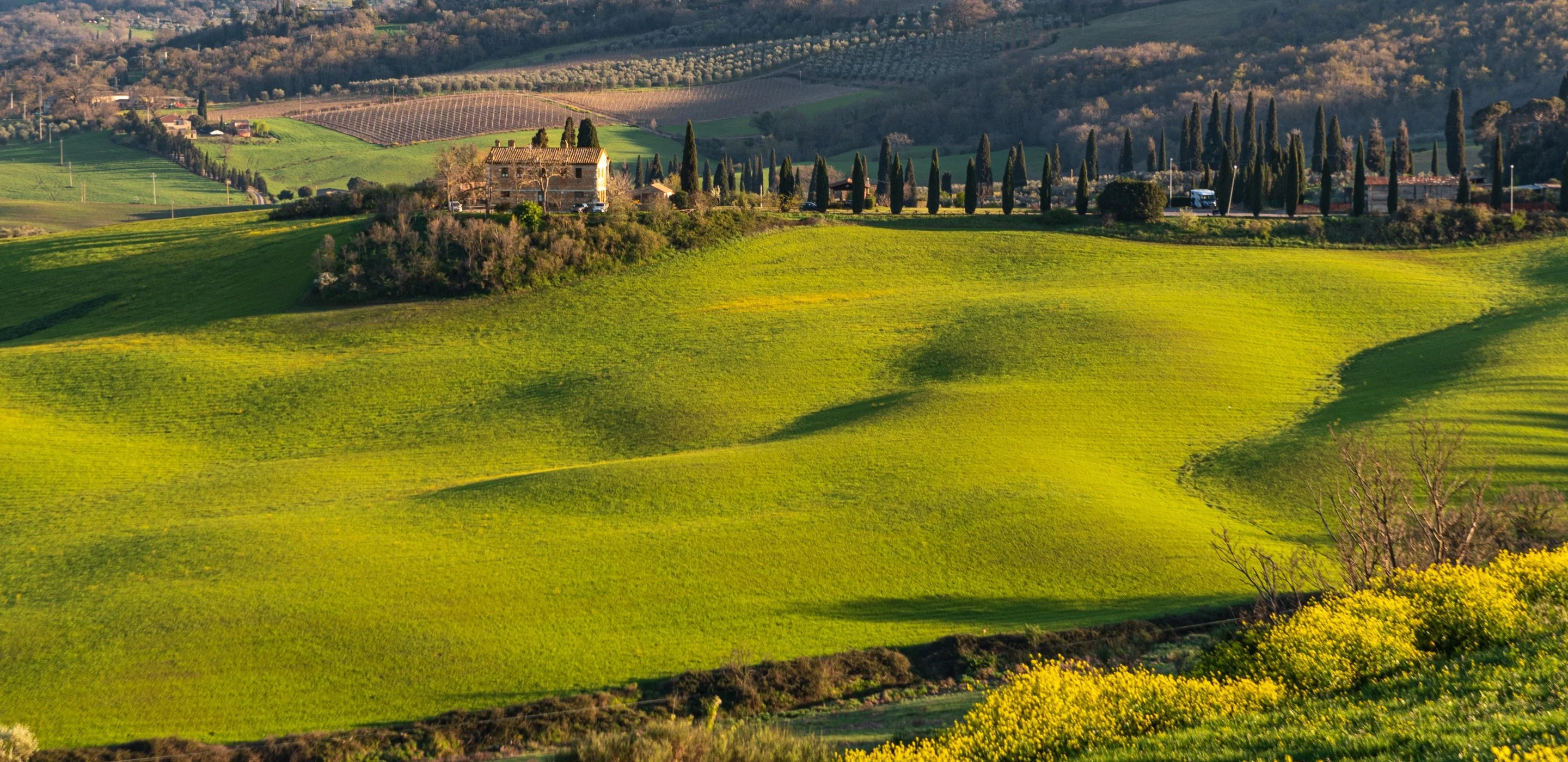
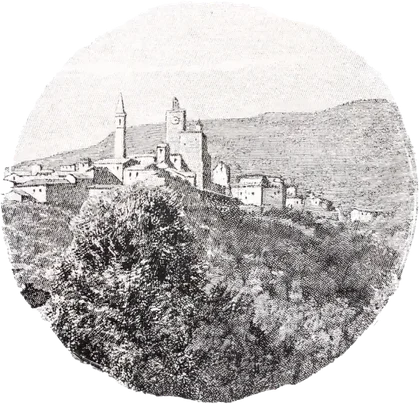
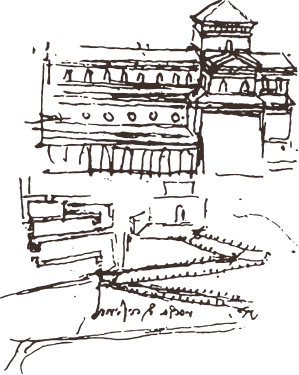
Ludovico il Moro gave Leonardo sixteen perches of vineyard in the heart of Milan as a tribute for the creation of the Last Supper